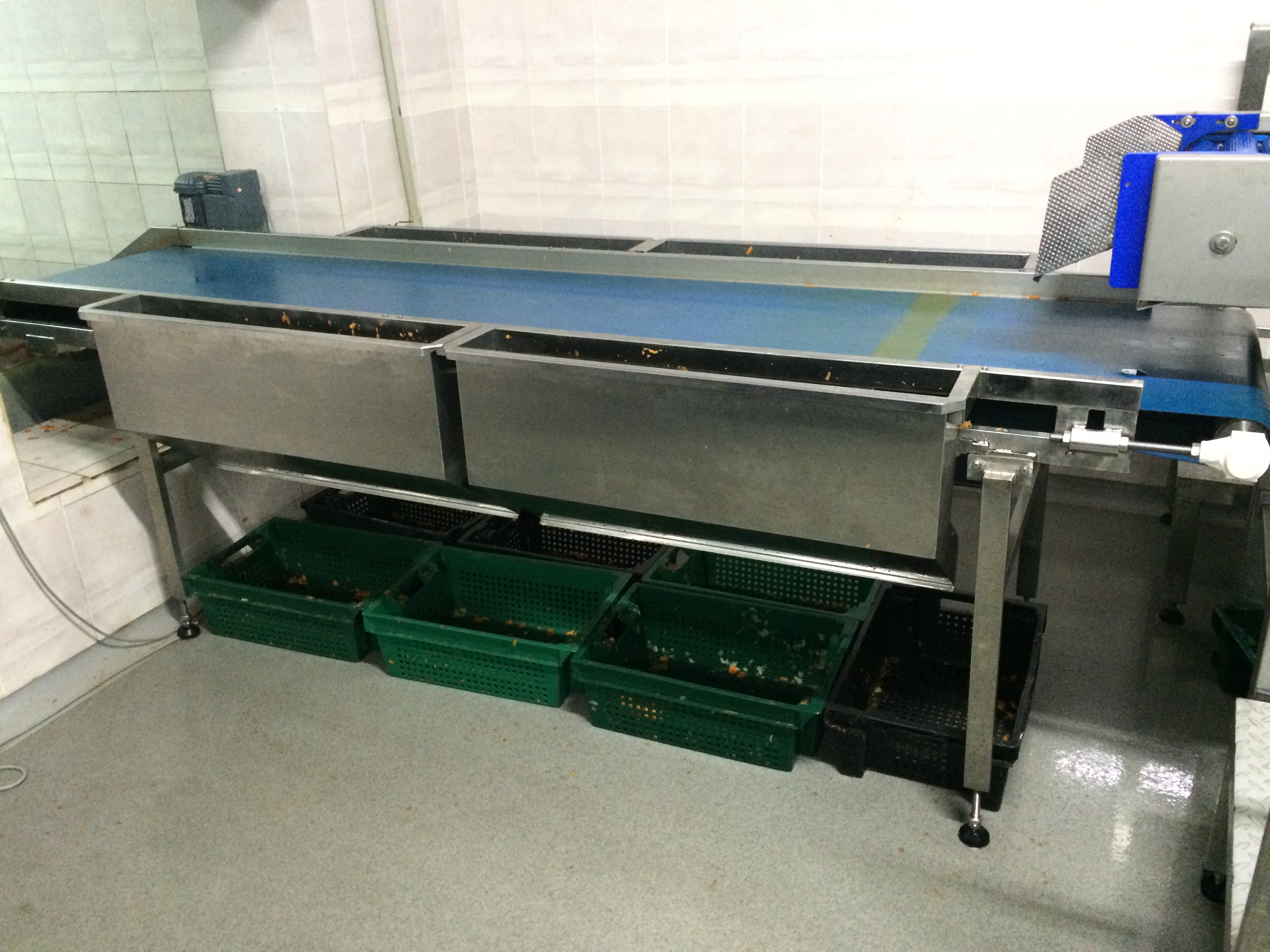
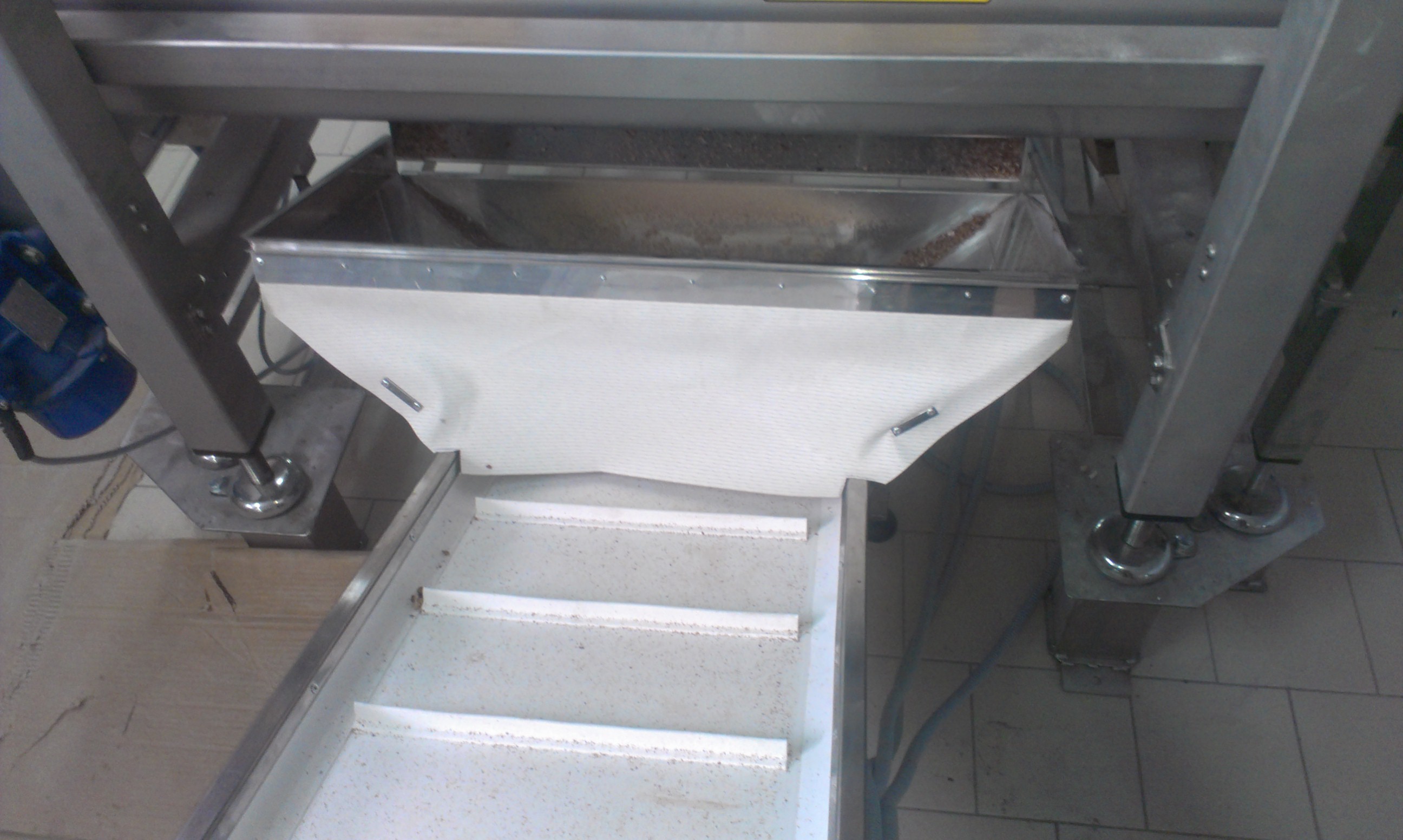
Pre-season line prep: 14-day checklist
A 14-day checklist for preparing a processing line for the season: maintenance, spare parts, staff training.
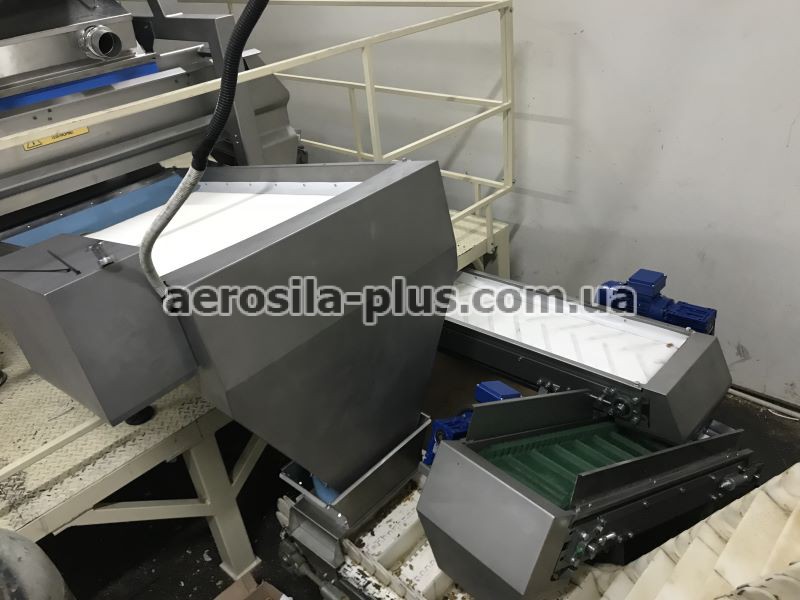
Seasonal processing is a short window of high load, when the line runs non-stop for weeks. Downtime at peak season is costly, so preparation starts two weeks before the start. In this article — a practical 14-day checklist by which we prepare processing lines for the season.
Why 14 days, not three
The temptation to “switch on and check the day before the start” comes at a high price. In a day there is no time to order a spare part that failed at the first start-up, no time to wait for a belt or bearing from a supplier. A two-week window gives time to detect a problem and fix it before raw material goes onto the line.
We split preparation into three blocks: equipment maintenance, spare parts provision and work with staff. The blocks run in parallel but have firm control points.
Days 1-5: maintenance
The first week is full equipment maintenance. The scope of work on the main units:
- Belts and mats — checking for cracks, delamination, joint condition; replacing belts worn beyond tolerance.
- Drive — condition of gear motors, oil level, checking belt and chain tension.
- Bearings — checking for play and noise, adding lubricant, replacing worn units.
- Tensioning devices — screw travel, spring condition, no sticking.
- Electrical equipment — tightening contacts, checking starters, frequency converters, limit switches.
- Safety — serviceability of emergency stops, guards, pull-cord switches.
After maintenance the line is run at idle and listened to — extraneous noise, runout, unit overheating show up at once.
Days 6-9: spare parts and materials
In parallel with maintenance, the seasonal stock is formed. The principle is simple: everything whose replacement stops the line for more than an hour must be on the shelf. An approximate list of critical spares:
| Category | What to keep in stock | Stock |
|---|---|---|
| Belts | a length for the longest section | 1 set of joints |
| Bearings | by the size types of the line units | 2 per size type |
| Drive belts | all size types of the line | 1 set |
| Scrapers, brushes | replaceable cleaning elements | for 1 season |
| Electrical | starters, relays, fuses | 1-2 per type |
| Lubricant | for gearboxes and bearings | seasonal norm |
Engineer’s tip. Most often the season is stopped not by a complex part but by a trifle that is not in stock — a scraper, a seal, a fuse. We keep a separate list of “small critical spares” and replenish it to a full set before the start. This is the cheapest insurance against downtime.
Days 10-12: staff training
The line is ready — but people operate it. Before the season, staff go through a briefing and training:
- Reviewing the line start-up and planned stop procedure.
- Actions on emergency stop and typical faults.
- Distribution of responsibility zones between operators and the mechanic.
- Rules of sanitary treatment and log keeping.
For new workers we run separate on-the-job training. The season is not the time to learn on the move.
Days 13-14: trial run
The last two days are a trial run under real load on a test batch of raw material. The coordination of conveyor speeds, dispenser operation, product output and reject level are checked. Minor issues found are fixed before the main raw material is accepted.
It is important to run the trial specifically under nominal load, not at idle. Many problems — belt slipping, drive overheating, unit runout — show up only when real product weight goes onto the line. An idle run shows that the equipment “spins” but does not confirm it will withstand the seasonal flow. So for the test we always take a volume of raw material close to the line’s design throughput.
If the equipment needs not only maintenance but also modernisation for a new volume, this is planned in advance together with equipment installation and engineering and design consultations.
Preparing the premises and utilities
A line does not work apart from the workshop. Before the season, not only the equipment but also the infrastructure it depends on is checked. Most often this is remembered at the last moment — and in vain.
What should be checked in advance:
- Power supply — the state of the panels, the power rating against the line’s peak load.
- Water supply and drainage — for washing lines both the water pressure and the drain capacity are critical.
- Compressed air — the compressor’s output for the seasonal regime.
- Lighting of the inspection zones and the temperature regime in the workshop.
The floor and equipment mounting are checked separately: over the off-season the concrete under the supports may settle, and the line loses its geometry. Levelling before the start is a quick operation that removes half the routing problems.
Conclusion
Two-week pre-season preparation is a discipline that pays off in the very first week of uninterrupted operation. Equipment maintenance, a seasonal spares stock and trained staff remove most causes of downtime before the start. If you need help preparing a line for the season, get in touch — we will carry out maintenance and compile a list of critical spares.