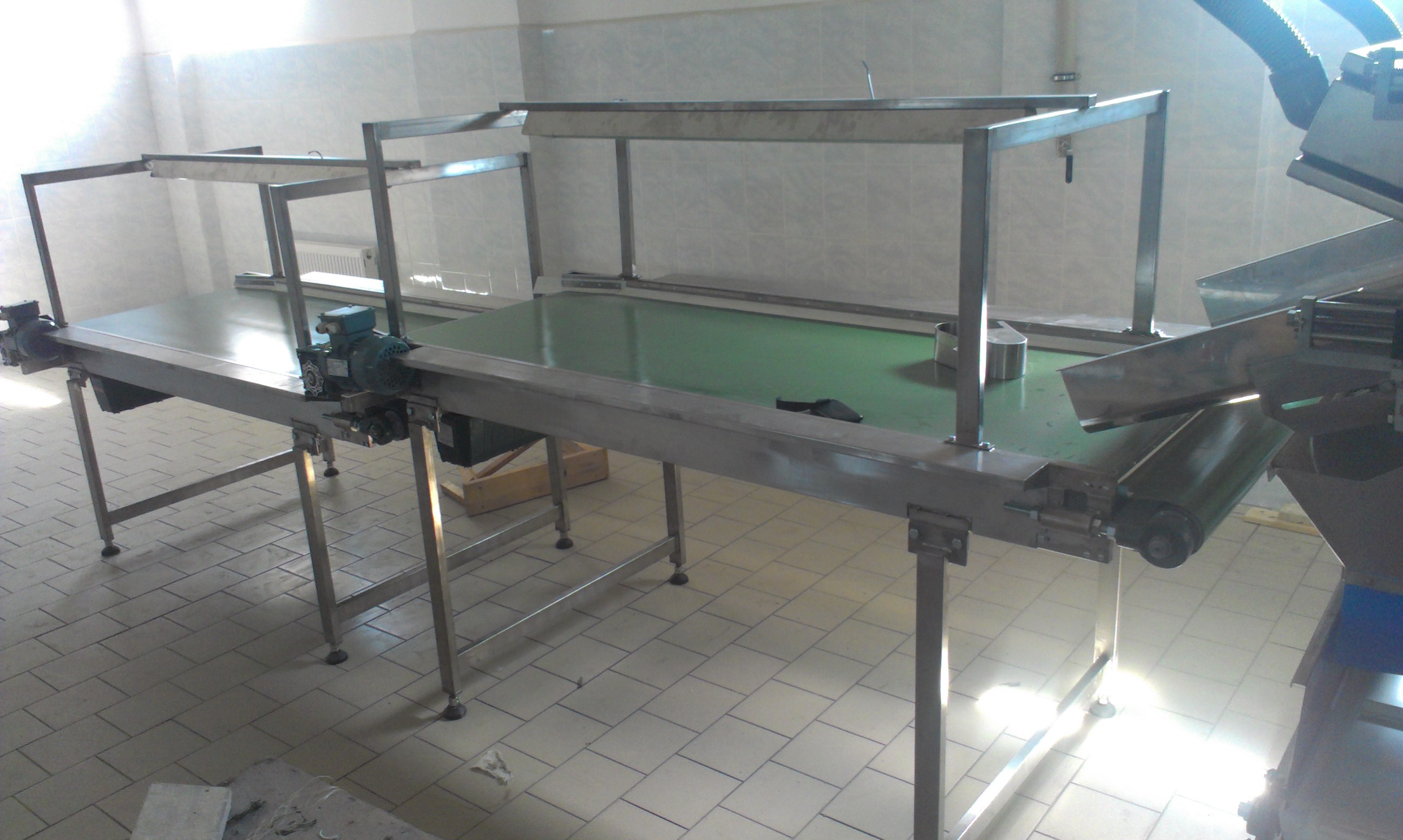
PVC vs polyurethane: which belt to choose
We compare PVC and polyurethane conveyor belts by temperature, hygiene, cost and service life for food production.
PVC and polyurethane (PU) are the two most common coatings for food conveyor belts. They look alike but behave differently during washing, contact with fats and at low temperatures. A coating mistake costs downtime and premature belt replacement, so let’s break down in detail when to choose each material and which mistakes to avoid.
How the materials differ
PVC (polyvinyl chloride) is an inexpensive elastic material that holds its shape well and resists most cleaning agents. PU (polyurethane) is denser, with a smoother non-porous surface, resistant to fats, oils and abrasion. It is precisely the non-porous structure of PU that makes it the better choice for direct contact with open product.
Both coatings are applied to a polyester fabric carcass — it carries the main load. The coating itself determines the belt’s surface behaviour: wettability, resistance to cleaning agents, cut resistance. PVC has a microporous surface into which fats and product micro-particles penetrate over time, creating a nutrient medium for bacteria. PU is practically pore-free, so it washes completely clean and does not absorb odours. This is a fundamental difference for zones that undergo a HACCP audit.
Comparison by key parameters
Neither material is “better” on its own — each wins in its own niche. To make the choice well-grounded, we bring the key properties together in one table and assess them in relation to a specific line.
| Parameter | PVC | Polyurethane (PU) |
|---|---|---|
| Operating temperature | -10…+80 °C | -30…+90 °C |
| Resistance to fats and oils | Moderate | High |
| Hygiene (product contact) | For packaged | For open product |
| Abrasion resistance | Medium | High |
| Approximate cost | base | +30…50% |
| Service life | 8–14 months | 24–36 months |
Another difference is behaviour under load. PVC is more elastic and better “forgives” a slight drum misalignment, but it is precisely because of this elasticity that it stretches more over time. PU is stiffer: it holds the geometry and elongates less, so it works more stably on long conveyors and precise dosing sections. This difference directly affects how often the belt has to be re-tensioned during maintenance.
When to choose PVC
PVC remains the optimal choice when the product is packaged or does not touch the belt directly. Typical tasks:
- transport of boxes, trays, cans;
- feeding vegetables and fruit in containers;
- packaging and palletising sections;
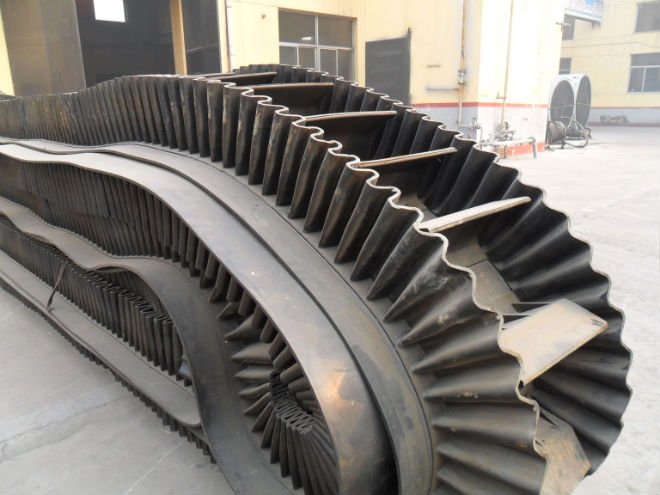
- inclined sections with cross profiles.
When to choose polyurethane
PU is justified where there is direct contact with wet or greasy product and frequent hot washing:
- unpackaged meat, fish, poultry;
- dough, cheese, confectionery semi-finished products;
- lines with CIP washing at +85…90 °C;
- chilled and frozen workshops with low temperatures.
PU keeps its flexibility better in the cold: at -25 °C a PVC belt stiffens and cracks on small-diameter drums, whereas polyurethane stays elastic down to -30 °C. This makes it practically the only option for freezing tunnels and blast-freezing chambers.
Engineer’s tip. Don’t save on the belt for the direct-contact zone. The price gap between PVC and PU pays off within the first year thanks to double the service life and fewer downtime stops for replacement.
Mistakes when choosing a coating
Over years of projects we have seen several typical mistakes that cost the customer a premature belt replacement.
- PVC in a hot-wash zone. Regular treatment with +85 °C water softens the PVC coating and it delaminates from the carcass. CIP washing requires PU or silicone.
- PU where its service life is not needed. On a dry box-packaging section, polyurethane brings no advantage — it is simply a 30–50% overpayment.
- Ignoring abrasion. Root crops with caked soil wear through a PVC coating in months. Abrasion-resistant PU lasts 2–3 times longer.
- Wrong colour. On lines with foreign-object detection systems the belt must be blue — optically contrasting with the product and food colours.
How we select the belt
On our projects the choice starts with three questions: does the belt contact open product, what is the washing temperature, and are fats present. The answers immediately narrow the choice between PVC and polyurethane belt. Then we add a profile, sidewall or perforation for the specific task. If the operating conditions fall outside the range of both materials — for example, contact with product hotter than 100 °C — we move to silicone or modular plastic belts. More on belt selection in the articles tagged belts.
Conclusion
PVC means budget and versatility for packaged loads; PU means hygiene and service life for open product. A wrong choice costs downtime and premature replacement. In doubt? Get in touch — we’ll select the belt for your product and washing regime.