Metal-detectable belts and seals
Why metal-detectable components are mandatory on a line with a metal detector and how to save on false rejections.
Metal-detectable components are materials with an additive that an industrial metal detector “sees”. If a piece of belt or seal breaks off and ends up in the product, the line will detect and reject it. In this article we look at where such components are mandatory and why they reduce, rather than increase, the number of false rejections.
Why a detectable material
A classic blue belt solves one task — optical control: the operator will see a blue fragment in the product. But the operator does not see everything, while a metal detector works continuously. The problem is that an ordinary polymer is transparent to a metal detector — a plastic fragment will pass through it unnoticed.
A metal-detectable belt contains a filler that changes the electromagnetic properties of the material. A fragment of such a belt is registered by the metal detector as a foreign body and a reject command is issued. This closes the gap between optical and metal-detector control.
It is important to understand the difference between a metal-detectable and a metal-containing material. A metal-detectable polymer contains no free metal particles that could contaminate the product on their own — the additive is evenly built into the material structure. Metal is detected only when a fragment of sufficient size breaks off the belt. Minor wear of the belt surface is not “seen” by the metal detector and causes no false rejections.
Where the components are mandatory
Detectable materials are needed not everywhere, but specifically where the risk of chipping contacts the product flow before the metal detector. Typical zones:
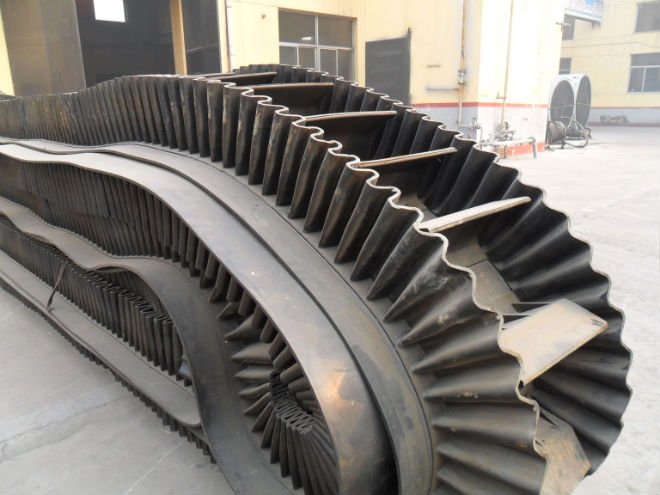
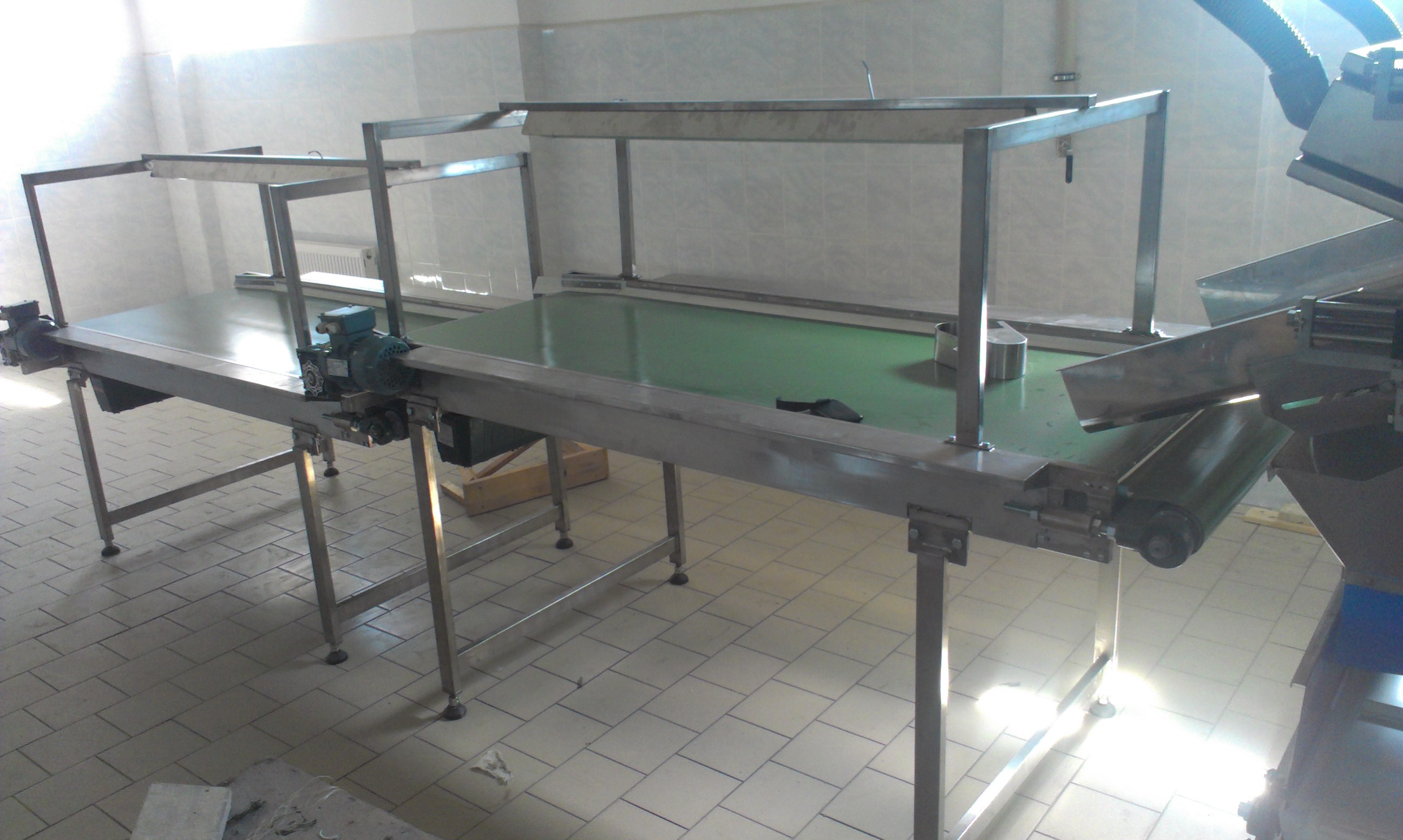
- Conveyor belts feeding open product to the metal detector section.
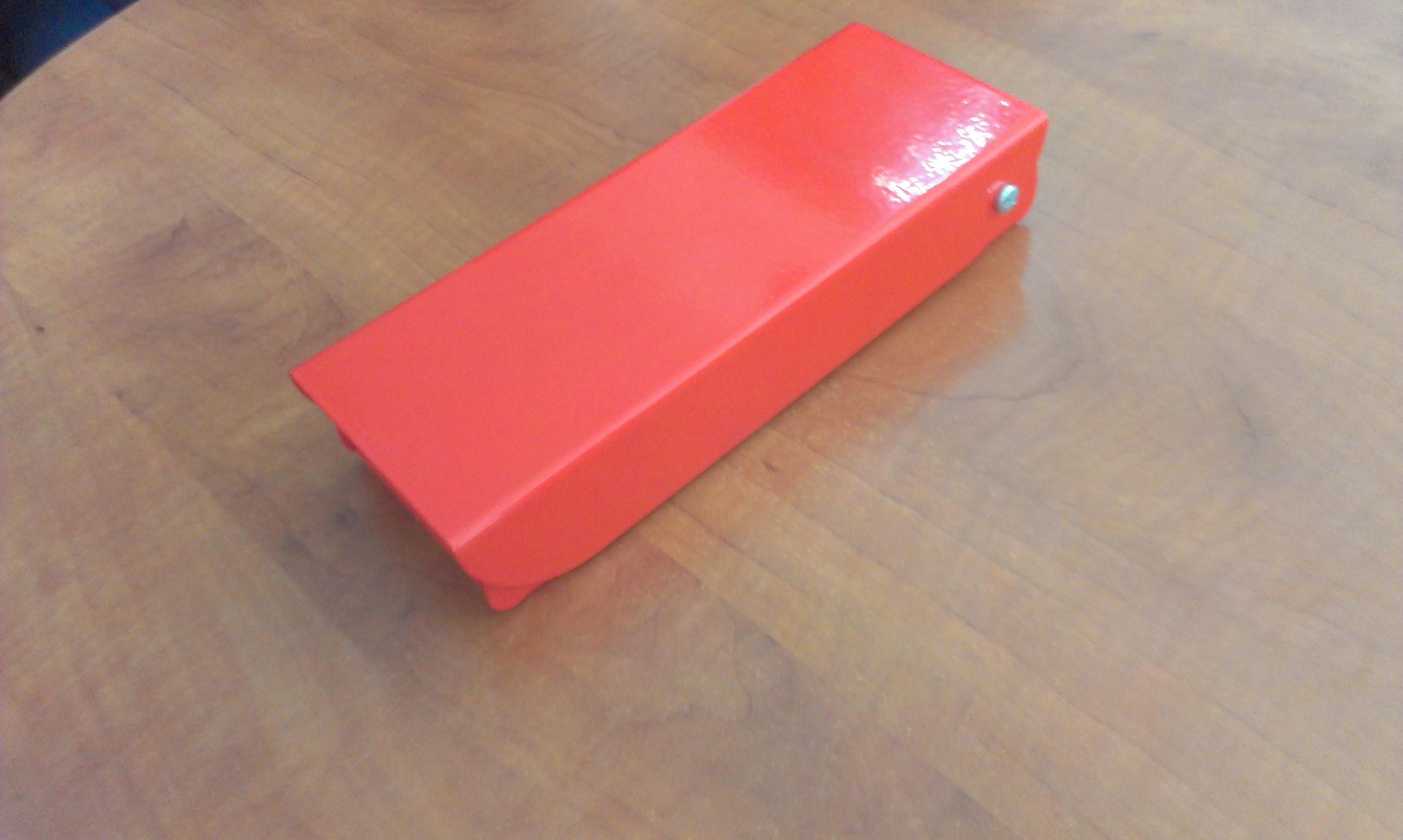
- Belt cleaning scrapers and brushes — small elements that wear and crumble.
- Seals of hatches, covers, inspection windows above the product zone.
- Guides and side rails the product rubs against.
- Parts of dispensers and grippers in contact with the food flow.
Types of detectable components
| Component | Base material | Detectable version |
|---|---|---|
| Conveyor belt | PU, PVC | PU/PVC with metal-detectable additive |
| Modular belt | POM, PP | POM/PP detectable, blue colour |
| Cleaning scraper | polyurethane | detectable polyurethane |
| Seal | silicone, EPDM | silicone/EPDM detectable, blue |
| Cable ties, clips | nylon | detectable nylon |
Most detectable components are made blue — this combines optical and metal-detector control in one material. We select the belt for the line together with conveyor belts of the required type.
The metal detector’s sensitivity to a detectable material depends on the fragment size and the product type. A wet or salty product itself partly “conducts” the signal and lowers sensitivity — this is called the product effect. So the concentration of the detectable additive in the belt is selected so that a fragment is reliably detected even against a “difficult” product. For dry products the basic detectable version is enough, for wet ones — a belt with an increased additive content.
Engineer’s tip. A detectable additive slightly reduces the flexibility and life of a belt compared to the ordinary version. So we fit a detectable belt only on the section before the metal detector, not on the whole line — this saves money without losing safety.
How to save on false rejections
A false metal-detector rejection stops the line and rejects good product. The paradox is that correctly selected detectable components reduce the number of false rejections, not increase them. The reason is stability.
If random metal trifles sit on the line — stainless cable ties, bolts, scraper springs — each of them “lights up” for the metal detector under vibration. By replacing them with detectable nylon and polymer, we remove the constant background. The metal detector is set to a narrower sensitivity threshold and reacts only to a real foreign body.
The steps we go through when setting up the line:
- We inventory all metal elements in the detector zone and replace load-bearing ones with detectable polymers.
- We check the belt — if it has a steel cord, it is replaced with a detectable one.
- We calibrate the detector with Fe, non-Fe and stainless steel test samples.
- We record the settings in a log and check them every shift.
Accounting and control of detectable components
A metal-detectable belt is only part of the system. A HACCP auditor checks not the presence of detectable material but the whole foreign-body control procedure. So on a line with a metal detector we help set up the accompanying accounting:
- A register of all detectable line components with installation dates.
- Regular visual inspection of belts and scrapers for chips.
- A log of metal-detector checks with test samples per shift.
- An action procedure on a trigger: isolating the suspect batch, finding the source.
A separate discipline is behaviour when a fragment is lost. If inspection reveals that a piece has broken off a scraper, the product for the period since the previous check is sent for re-control. A detectable material makes this procedure manageable: it is known what to look for and how to detect it.
Conclusion
Metal-detectable belts and seals close the gap between optical and automatic foreign-body control. They are mandatory on the section before the metal detector and, contrary to expectations, reduce the number of false rejections through a stable background. If you are setting up a line for a metal detector, get in touch — we will select detectable components and help with calibration. More on hygiene requirements — in articles tagged hygiene.