ISO 22000: differences from HACCP
What the ISO 22000 standard adds over HACCP, whether to switch and how it affects requirements for food production equipment.
ISO 22000 is the international standard for a food safety management system. Manufacturers often ask: how does it differ from HACCP and is it worth switching if HACCP is already in place. In this article we break down the difference in plain words and explain how it affects equipment.
HACCP and ISO 22000: what is what
HACCP (Hazard Analysis and Critical Control Points) is a methodology for analysing hazards and controlling critical points. It is a tool, a set of seven principles that shows where in the process risks may arise and how to control them.
ISO 22000 is a full management system that includes HACCP as a component but adds a management structure around it: a safety policy, management responsibility, a document control system, internal audits, continual improvement. In plain words: HACCP answers the question “what to control”, while ISO 22000 also answers “how to manage it across the whole enterprise”.
A good analogy: HACCP is an engine, while ISO 22000 is the whole car with a steering wheel, brakes and a dashboard. You can have the engine separately, but a controllable vehicle is a system. That is exactly why ISO 22000 is built on the same logic as other ISO standards and integrates easily with ISO 9001 (quality) or ISO 14001 (environment).
What ISO 22000 adds to HACCP
The key superstructure of ISO 22000 is system and management. The standard requires what “pure” HACCP does not cover:
- Prerequisite programmes (PRP). Basic hygiene conditions — the state of premises, equipment, personnel — formalised as separate programmes.
- Operational PRP (oPRP). An intermediate control category between general PRPs and critical points.
- Management responsibility. A documented role of top management in the safety system.
- Traceability. The ability to trace product and raw material both ways along the chain.
- Continual improvement and integration with other ISO standards.
Comparison of the approaches
| Aspect | HACCP | ISO 22000 |
|---|---|---|
| Nature | methodology | management system |
| Coverage | process risks | the whole enterprise |
| Prerequisite programmes | separate | built-in (PRP, oPRP) |
| Document control | basic | full, with audits |
| Certification | not always | international, recognised |
| Integration with ISO 9001 | no | yes |
Engineer’s tip. Switching to ISO 22000 does not mean reworking all equipment. If the line already meets HACCP — hygienic design, stainless steel, CIP washing capability — the technical base is mostly ready. The main work in the switch lies in documentation, prerequisite programmes and management procedures, not in metal.
Prerequisite programmes in practice
Prerequisite programmes (PRP) are what is often underestimated when preparing for ISO 22000. In essence they are the basic hygiene infrastructure on which the whole of HACCP rests. The ISO/TS 22002-1 standard details exactly what goes into PRP for food production.
- Premises layout — dirty-clean flows, zoning, no cross routes.
- Cleaning and sanitation — washing schedules, validated CIP regimes, effectiveness control.
- Pest control — protection from insects and rodents at the level of the building structure.
- Equipment maintenance — scheduled servicing that does not let units become a contamination source.
- Waste management — separate flows that do not cross with the product.
Operational PRP (oPRP) is a subset of PRP tied to specific process steps where risk is higher: for example, controlling the washing temperature or belt integrity in the food zone.
How it affects equipment
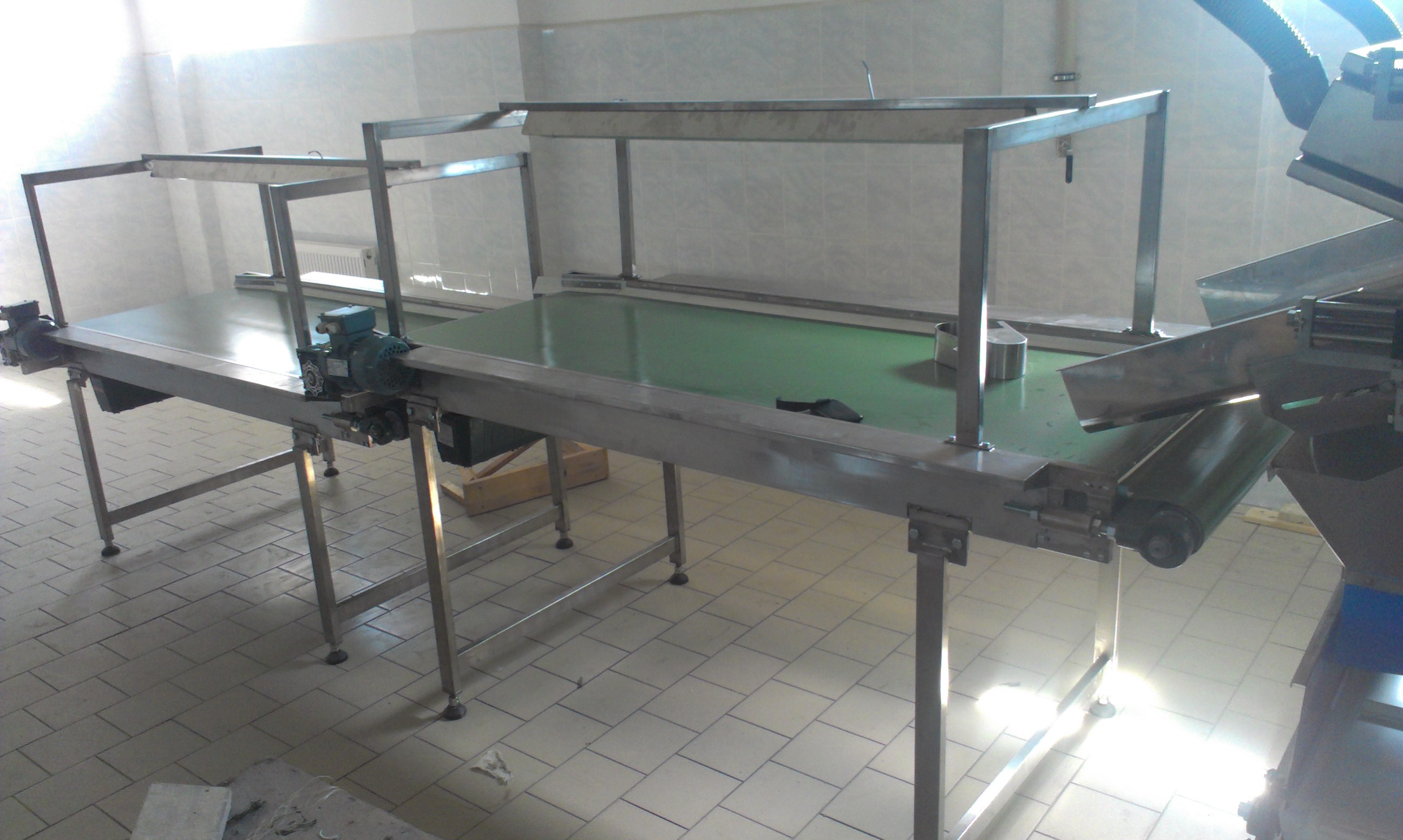
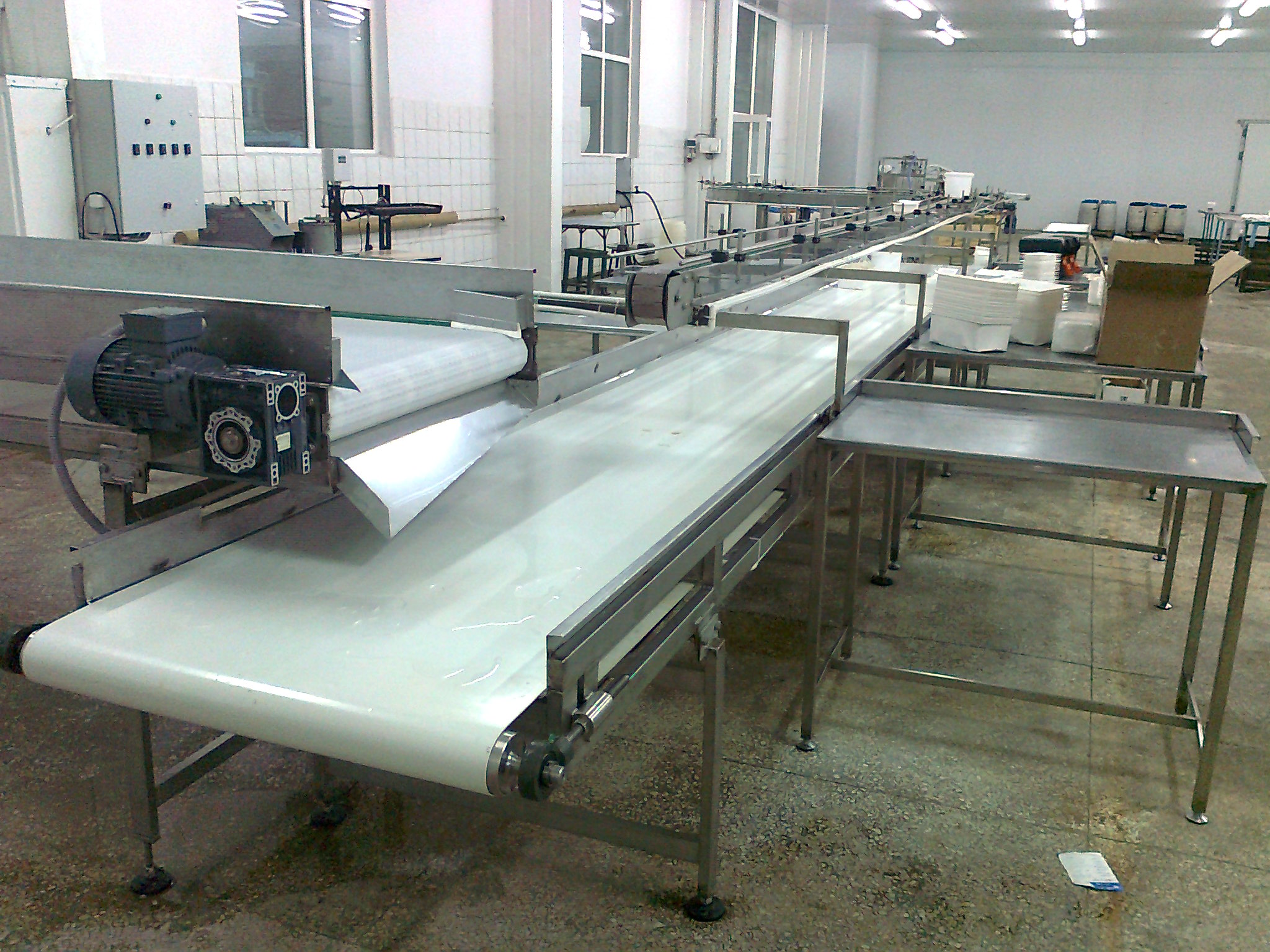
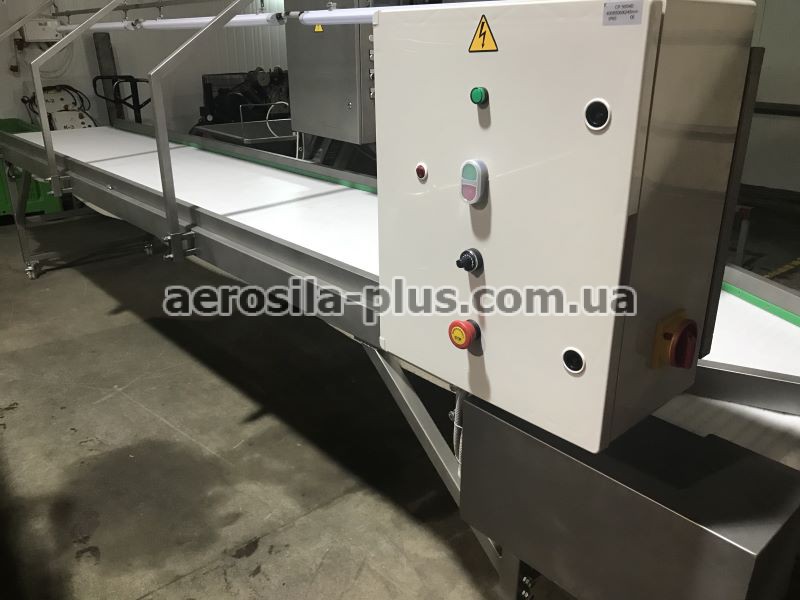
ISO 22000’s requirements for the equipment itself coincide with HACCP: contact surfaces of AISI 304/316L stainless steel, no stagnation zones, the possibility of in-place washing, certified materials. The difference is that ISO 22000 demands documentation more strictly: equipment passports, material conformity declarations, maintenance plans — everything must be systematically formalised and available.
On our projects we hand the customer a full line documentation pack with exactly such audits in mind.
Stages of implementing ISO 22000
Implementing the standard is a project of several months, not a one-off action. It usually goes through several stages. First, a gap analysis: comparing the current state with the standard’s requirements, a list of gaps. Then, forming a food safety team and distributing responsibility. Next, developing PRP and oPRP, updating the HACCP plan, building a document control and traceability system.
A separate stage is personnel training: the system works only when operators understand it, not just the quality department. The cycle is completed by an internal audit and a certification audit by an external body. The equipment’s technical readiness here is a necessary but not sufficient condition: a line with a flawless hygienic design will not pass certification without correctly formalised procedures.
Who should switch to ISO 22000
The switch does not make sense for everyone. If you work for the domestic market and HACCP covers the requirements of your counterparties, additional certification may be unnecessary. But if you plan to export, work with large retail chains or want to integrate food safety into a single management system together with quality — ISO 22000 gives an internationally recognised result. The decision should be made based on the market and counterparties, not on a fashion for certificates. For more on preparation, see the articles tagged standards and the material on conformity declarations.
Conclusion
ISO 22000 is not an alternative to HACCP but a broader system that includes HACCP within itself and adds a management structure. It is worth switching for those who need internationally recognised certification — first of all exporters. For equipment this means not rework but better documentation. Planning a line with ISO 22000 in mind? Get in touch — we’ll account for the standard’s requirements at the design stage.