Engineering consultations: how they go
Stages of an engineering consultation before ordering equipment: briefing, site survey, concept design, cost estimate and technical project approval.
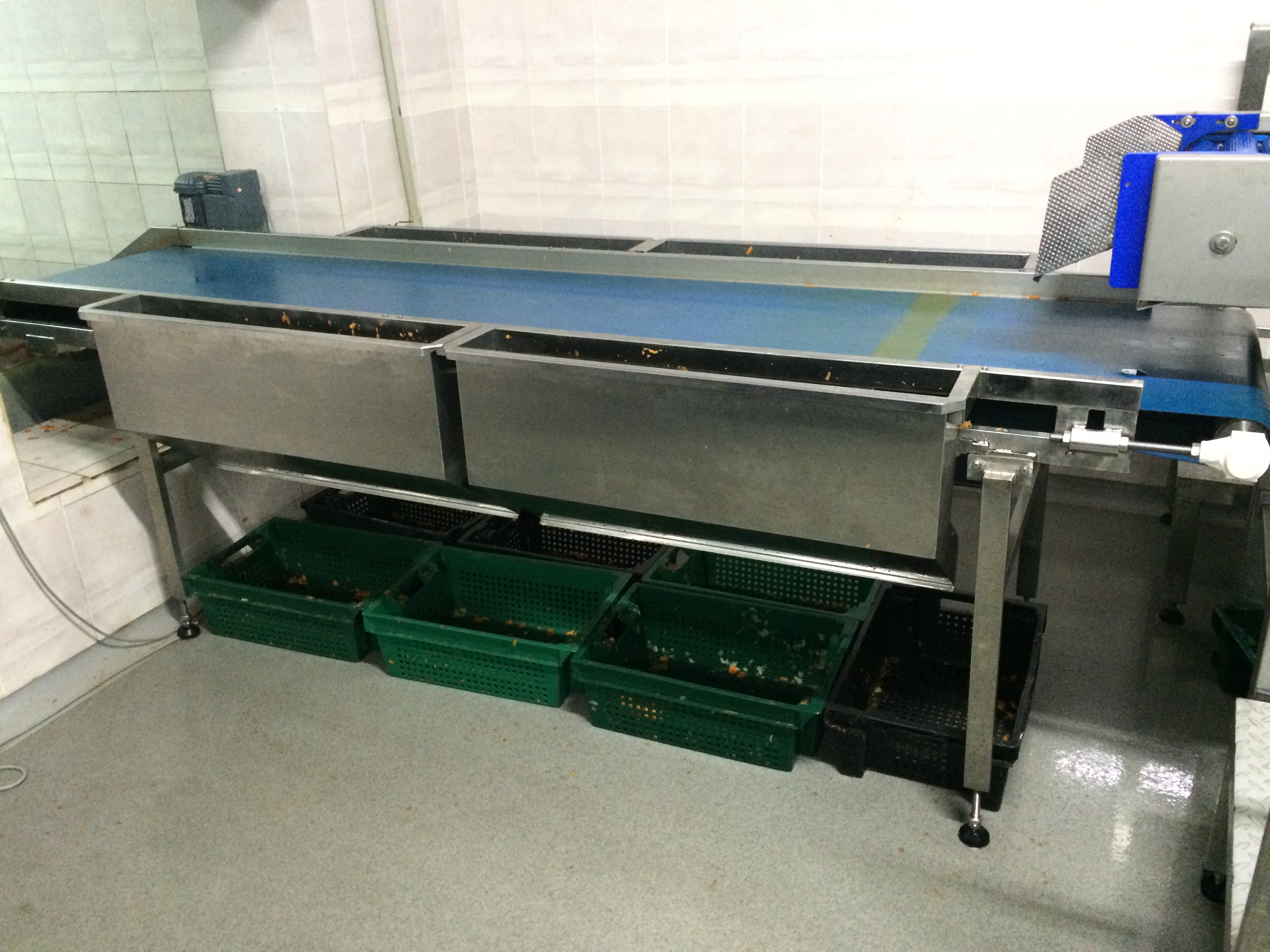
An engineering consultation is the stage that precedes ordering equipment and determines how successful a project will be. A mistake at this stage costs more than any rework of metal. In this article we break down how we run a consultation: from the first briefing to a finished technical project with a cost estimate.
Why a consultation is needed before ordering
Every production is unique: different premises, product, volumes, ceiling heights, utility layouts. A ready-made “off-the-shelf” solution almost never fits into a real workshop without modifications. A consultation is needed to turn the customer’s task — “we need to move product faster” — into a specific technical specification by which equipment can be made without surprises.
On our projects a consultation saves the customer money twice. The first time — when we filter out excessive solutions the customer initially thought necessary. The second — when concept design reveals a conflict with a column, a doorway or ceiling height before the metal is even cut.
Stage 1: briefing and task definition
It all starts with a conversation. We find out exactly what is needed: which product, in what volumes, which operations it goes through, where the bottlenecks of the existing line are. At this stage it is important to distinguish the symptom from the cause. The customer often phrases the task as “we need one more conveyor”, whereas the real problem is mismatched speeds of adjacent sections or a jam at a transfer point.
The outcome of the briefing is a technical task: a list of operations, throughput, hygiene and certification constraints, budget limits. This is the document we rely on at all subsequent stages.
Stage 2: site survey
Workshop drawings rarely match reality — over years of operation new utilities appear, equipment is moved, the layout changes. So we travel to the site and make a control survey: the dimensions of the premises, the height to the lowest ceiling point, the location of columns, doors, drains, connection points for electricity, water, compressed air.
Separately we record the logistics: how raw material comes in, where finished product goes out, where personnel move. A line is designed not in a vacuum but in a real flow of people and loads.
Stage 3: concept design
Based on the task and the survey the designer makes a concept layout — a plan of equipment placement in the real premises. Here the critical things are checked:
- Accessibility — whether enough space remains for personnel passage and maintenance.
- Conflicts — whether equipment intersects with columns, beams, doors.
- Height — whether the product passes under the lowest ceiling point.
- Flows — whether dirty and clean zones, raw material and finished product cross.
- Connections — whether utilities reach the consumption points.
The concept is agreed with the customer and, if needed, corrected several times until the layout suits both sides.
Stage 4: technical project and cost estimate
After the concept is agreed, a technical project is prepared: assembly drawings, material specifications, a list of bought-in units — motors, gearboxes, bearings. At the same stage a cost estimate is drawn up. Below are indicative durations of consultation stages for a typical project of medium complexity.
| Stage | Duration | Output |
|---|---|---|
| Briefing and task | 1–2 days | Technical task |
| Site survey | 1 day | Survey drawings |
| Concept design | 5–10 days | Agreed layout |
| Technical project | 10–20 days | Drawings, specifications |
| Cost estimate | 2–3 days | Commercial proposal |
Engineer’s tip. At the task stage we always advise building in a 15–20% throughput margin. Production almost always grows, and a line designed tight to today’s volume becomes a bottleneck within a year. This margin costs little at the start and pays off in years of uninterrupted operation.
What the customer receives
As the result of the consultation the customer has a full package: technical task, concept layout, technical project and cost estimate. This is enough to make an ordering decision with full understanding of what, for how much and in what timeframe they will receive. If the project includes installation, at the same stage we plan the logistics and installation work. The engineering consultations themselves we provide as a separate service — even if the equipment is later made by someone else.
It is important that a consultation is a dialogue, not a one-way handover of a solution. The customer knows their production and product from the inside, we know the equipment and the typical layout mistakes. The best solutions are born at the junction of this knowledge: the engineer proposes, the customer checks the proposal against the real constraints of the workshop, and the scheme is gradually refined. So we are not in a hurry to issue a finished project in one go — we allow time for discussing and correcting the concept. The few days spent on this pay off in there being no surprises at installation, and the line working from day one as the customer intended.
Conclusion
An engineering consultation is not a formality but a stage that determines the success of the whole project. Briefing, survey, concept, technical project and cost estimate are a sequence that turns a vague task into a clear specification with no surprises at installation. If you are planning a new line or an upgrade — get in touch, we will start with a consultation and calculate a solution for your production. More on the topic under the tag engineer.