Conveyor system energy efficiency: 8 ways
How to cut a conveyor line's energy use by 20%: variable drives, lighter belt, lubrication, drive optimisation and smarter operating modes.
A conveyor line runs 16–20 hours a day, and even a small power overspend turns into a noticeable sum on the yearly electricity bill. The good news: 15–20% of a typical line’s consumption can be cut without stopping production and without capital investment. This article gives eight proven ways we apply on modernisation projects.
Why a conveyor uses more than it should
Most lines were designed “with a margin” — the motor was taken one step more powerful, the belt heavier, the transmission simpler. As a result the drive constantly works in a non-optimal point of its curve, where efficiency drops to 70–75% instead of the rated 90%. The second reason is the “switch on and forget” mode: the conveyor runs empty during breaks, lunch, between batches. The third is worn parts: a slack belt, dry bearings and clogged scrapers add parasitic friction.
Way 1. Variable frequency drive
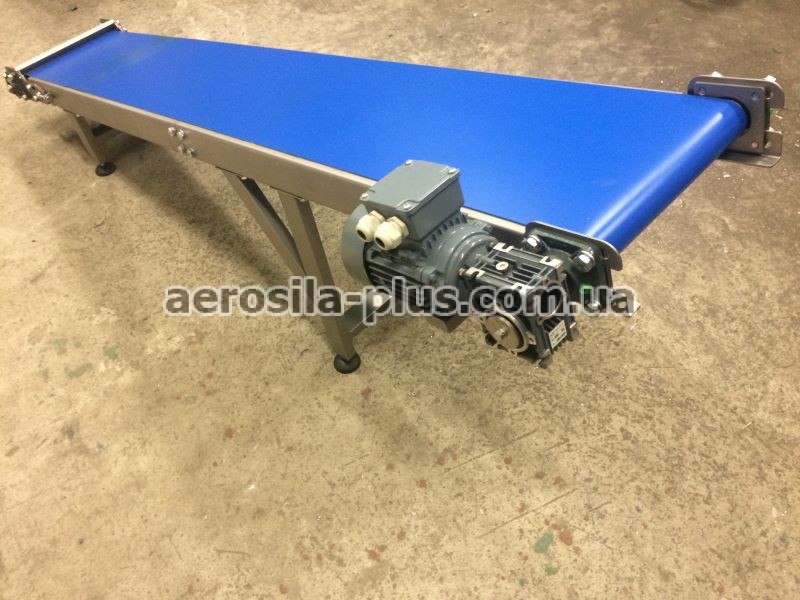
A VFD lets you match conveyor speed to the line’s real tempo instead of running it at nominal. For fan and pump loads the saving reaches 30–40%, for conveyor loads — 10–20%. A bonus is the soft start without inrush currents 6–7 times above nominal.
Way 2. IE3 and IE4 class motors
When replacing a worn motor, do not take an analogue of the old class. Moving from IE1 to IE3 gives 4–6% saving, and on round-the-clock lines a new motor pays back in 1.5–2.5 years on electricity alone.
Way 3. A lighter belt
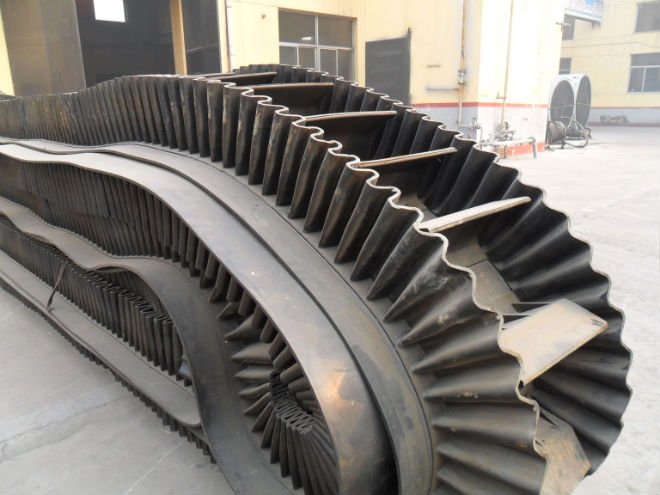
The mat mass is a constant load the motor pulls every second. A modern thin PVC belt with a strong carcass weighs 25–30% less than an old thick one. On a long route this is a noticeable difference in the consumed torque.
Comparing measures by return
| Measure | Saving | Payback | Complexity |
|---|---|---|---|
| Variable frequency drive | 10–20% | 1–2 years | Medium |
| IE3/IE4 motor | 4–6% | 1.5–2.5 years | Low |
| Lighter belt | 3–8% | at replacement | Low |
| Correct lubrication | 2–4% | immediate | Low |
| Auto-stop when idle | 5–12% | immediate | Low |
Way 4. Lubrication and bearing condition
A dry or overfilled bearing adds friction and heats up. Timely lubrication of the correct class plus belt tension control removes up to 2–4% of parasitic losses. This is the cheapest measure — it needs no equipment purchase. An over-tensioned belt is a separate hidden overspend item: every extra 10% of tension above what is needed adds a noticeable load on the drive and accelerates drum wear. That is why we set the tension by calculation, not “by eye”, and recheck it after every season.
The idler rollers deserve separate attention. A single seized roller on a long route forces the belt to “rub” over it instead of rolling — this means both energy overspend and local mat wear. A walk along the route once per shift, simply turning the rollers by hand, reveals such points within minutes.
Engineer’s tip. Before buying a VFD, run an energy audit of the existing line with a clamp meter under different loads. Often 8–10% of consumption is removed for free — just by tensioning the belt, changing the grease and switching off idle running.
Ways 5–8. Organisational measures
Four steps that need no investment at all:
- Automatic stop of the conveyor after 60–90 seconds without product — done with one photo sensor and a relay.
- Speed matching of adjacent sections: none should run faster than the next one needs.
- Cascade start of line sections at 2–3 second intervals instead of simultaneous — lowers peak current.
- Metering by groups of consumers: what is not measured does not get optimised.
Together these measures gave 5–12% saving on our projects — more than most customers expect from “free” solutions. The greatest return among them comes from the automatic idle-stop: on a line with frequent breaks a conveyor can run empty for up to a third of a shift, and every such minute is a pure loss.
Cascade start solves another problem — the peak current. When all the line’s motors start at once under full load, the total inrush current exceeds the running one several times over, and the plant is charged a higher capacity tariff for it. Spacing the starts 2–3 seconds apart in time shaves off this peak with no capital cost at all.
Where to start the modernisation
Start not with purchasing but with measurement. Fit a meter on the line input, record the 24-hour load curve, isolate the idle hours. Then calculate the payback of each measure separately: a VFD on a short conveyor with an even load may not pay back, while on a line with a variable tempo it returns fast. Our approach is first the free organisational steps, then replacing worn parts with energy-efficient ones, and only last the capital solutions like a full drive replacement. For more on choosing a drive, see the articles tagged conveyor, and our engineers will help pick transporters and conveyors for your line.
Conclusion
Conveyor system energy efficiency is not one expensive measure but the sum of a dozen small decisions. Start with an audit and free steps — they deliver the first 8–10% within a week. Need a saving calculation for your line? Get in touch — we will run an energy audit and propose a modernisation plan with real payback periods.