Equipment dismantling: a safe approach
Logistics, labelling, workplace safety — how we dismantle old lines without damage to the premises or staff. Stages of work and common mistakes.
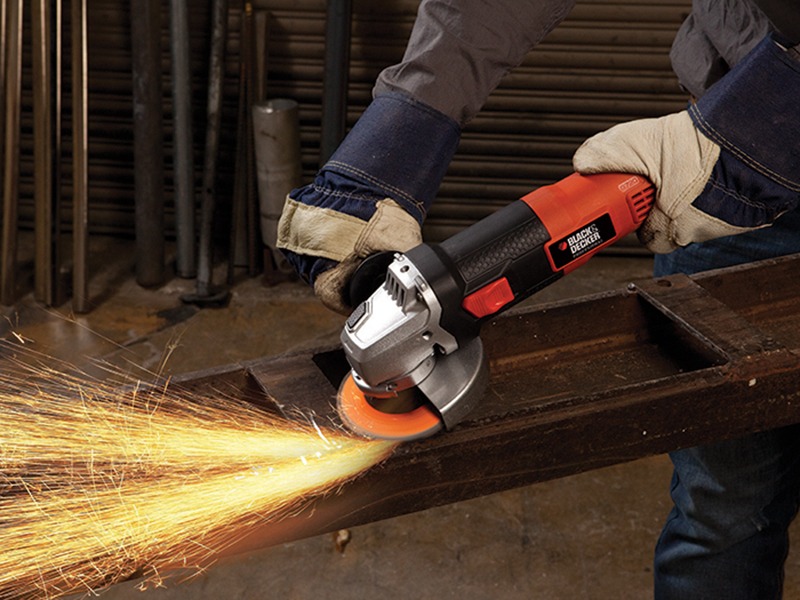
Dismantling equipment seems simpler than installation — “take apart, not assemble”. In practice it is dismantling that more often leads to injuries and damage to the premises, because it is done in a rush and without a plan. In this article we look at how we dismantle old lines: the stages of work, labelling of units, workplace safety and removal logistics.
Why dismantling needs a plan
Old equipment is dismantled in three situations: replacing a line with a new one, relocating production, selling equipment to another company. In the last two cases the units must keep their integrity and fitness for reassembly — and that is impossible without a plan.
The main mistake is starting with “whatever is closest”. Dismantling proceeds in the reverse of the assembly order: what was installed last is removed first. Breaking this logic means a removed unit blocks access to the next one, or falls because it has lost its support.
Before work begins we always survey the site. We assess the condition of structures, the removal routes, the presence of hidden utilities, the weight of individual units. Based on the survey we draw up a dismantling plan with a schedule, an equipment list and a crew calculation. We agree this document with the customer — it gives a clear understanding of timing and lets production downtime be planned.
Stages of dismantling
Proper line dismantling follows a sequence:
- De-energising and disconnecting utilities — electricity, compressed air, water and steam are disconnected and locked out.
- Photo documentation and a diagram — the line state is recorded before disassembly, a connection diagram is drawn up.
- Labelling units — every unit, fastener and cable gets a tag for correct reassembly.
- Sequential disassembly — in the reverse of the assembly order, heavy units with rigging.
- Packing and logistics — protecting units, loading, securing in transport.
Each stage is documented so the line can be reassembled at the new site without guesswork.
Workplace safety in dismantling
Dismantling is work with heavy, sometimes unstable structures. Basic safety rules on our sites:
| Risk | Safety measure |
|---|---|
| Falling heavy unit | rigging and slings with a 2× margin over mass |
| Residual energy | locking out electricity, releasing pressure, securing springs |
| Sharp metal edges | gloves, protection of dismantled edges |
| Work at height | scaffolding or platforms, fall arrest |
| Product and chemical residue | cleaning units before disassembly |
Engineer’s tip. Before dismantling, check equipment for residual energy: compressed springs of tensioners, pressure in the hydraulic system, a load on a raised platform. It is the “de-energised but tensioned” unit that is the most dangerous — it looks dead but can suddenly move.
Logistics and the state of the premises
Dismantling does not end with detaching units — they must be carried out without damaging the floor, openings and walls. We plan the removal route in advance: passage widths, gate load capacity, access for machinery. Heavy units are moved on trolleys or pallet jacks, the floor along the route is protected with decking.
Dismantling often goes hand in hand with installing new equipment: we remove the old line and install the new one in the same place, coordinating the schedule so production downtime is minimal. We hand over the cleared premises clean, with embedded parts removed and openings closed.
Labelling and documentation
Labelling is what distinguishes dismantling for relocation from dismantling for scrap. Every removed unit gets a numbered tag, and every detachable joint a paired marking on both parts. Cables are labelled at both ends, hydraulic and pneumatic hoses by the connection diagram. A separate fastener list is drawn up: bolts, washers and special elements are packed into labelled bags tied to the corresponding unit.
Photo documentation complements the labelling. Before disassembly we photograph the line in a general view and the units close up — especially those with non-standard joints or adjustments. At the new site these photos save hours: the installer sees exactly how a unit stood rather than recovering it by trial and error.
Sorting equipment after dismantling
Not all dismantled equipment has the same fate. During disassembly we immediately sort units into three categories: fit for reassembly, fit after repair, and bound for disposal. This lets the customer make an informed decision — what to take to the new site, what to repair, and what is not worth transporting at all.
Units for disposal also need attention: electronics, oils and technical fluids are handed over separately under waste-handling rules. Metal goes to scrap. This approach makes dismantling not only safe but also clean from an environmental standpoint — the premises are vacated with no leftover materials or waste.
Conclusion
Safe dismantling is not “scatter it quickly” but a managed process: de-energising, labelling, reverse disassembly order and thought-out logistics. This approach keeps the units fit for reassembly and the premises undamaged. Planning a line dismantling or production relocation? Get in touch. More on manufacturing services under the tag services.