
How to choose a conveyor belt for food production
We break down the key parameters of a conveyor belt: material, coating type, profile, temperature range, HACCP hygiene standards and service life.
Read more →Useful articles, project case studies and engineering tips on equipment for food and light industry.
Lessons of 2026 and forecasts for food industry manufacturers for 2027: automation, energy, flexible lines and localisation.
Read more →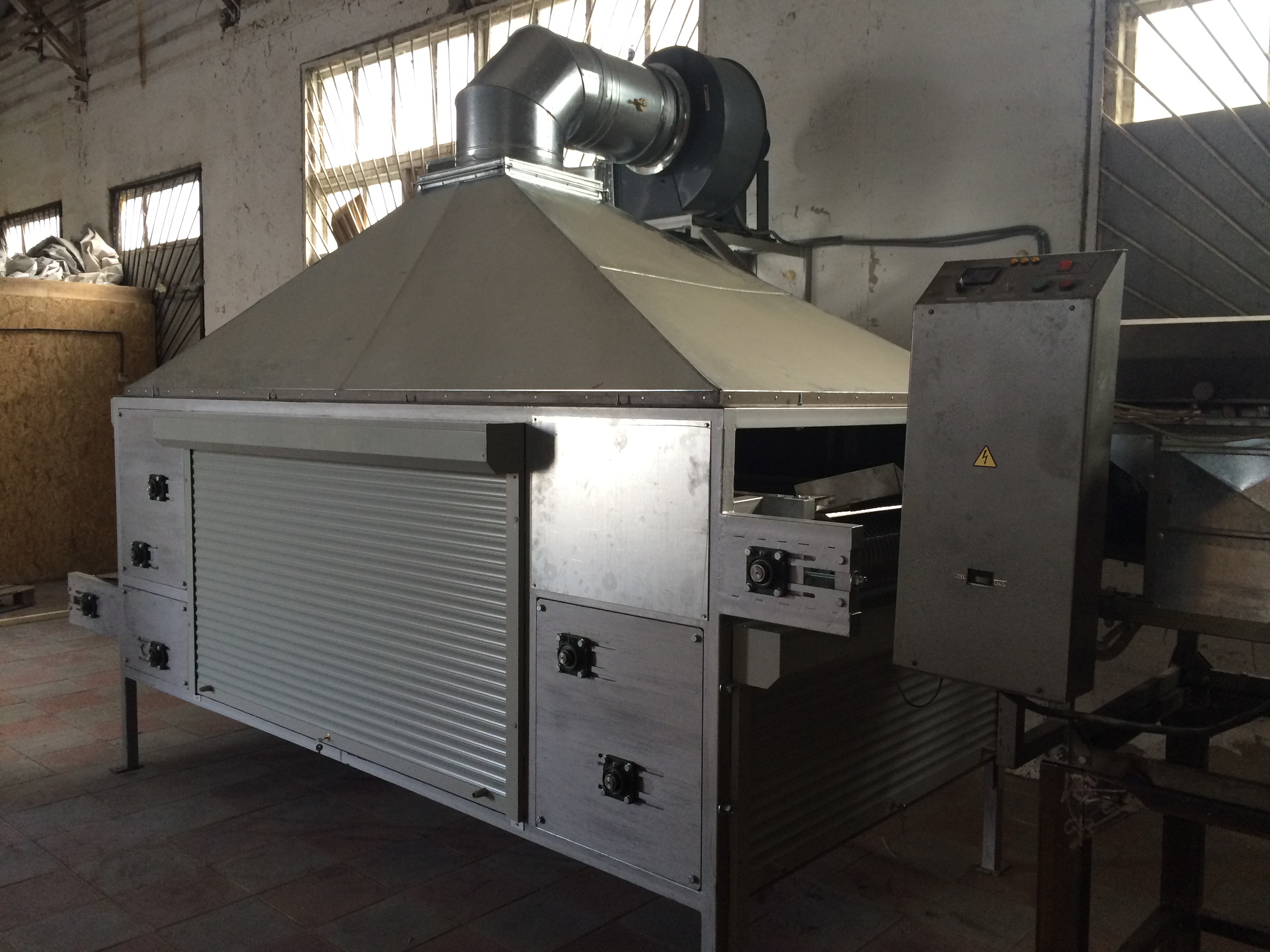
Which belts withstand -30 °C, how to design conveyors for freezing lines and cold stores — materials, lubrication and construction.
Read more →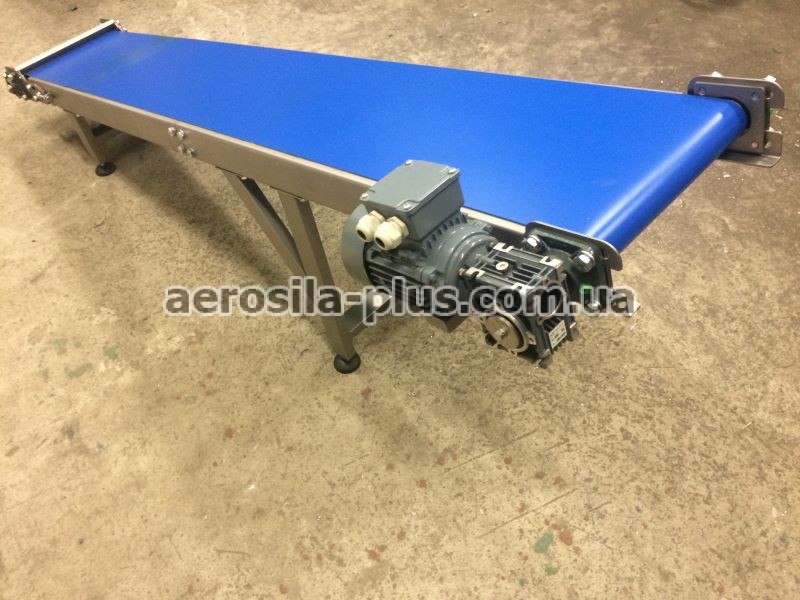
Where food packaging is heading in 2026: doypack, retort pouches, flexible lines — and how these trends affect conveyor equipment.
Read more →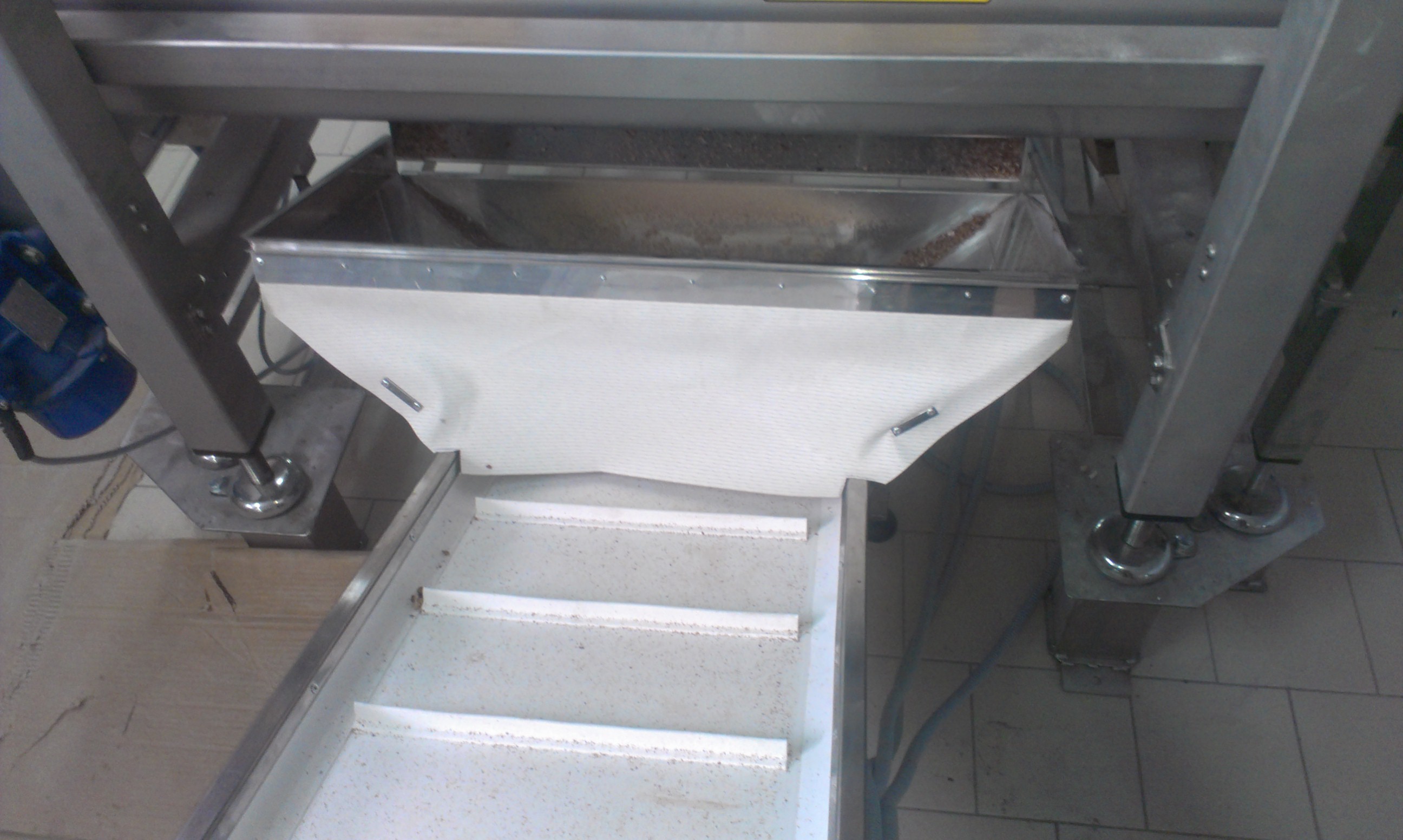
What the ISO 22000 standard adds over HACCP, whether to switch and how it affects requirements for food production equipment.
Read more →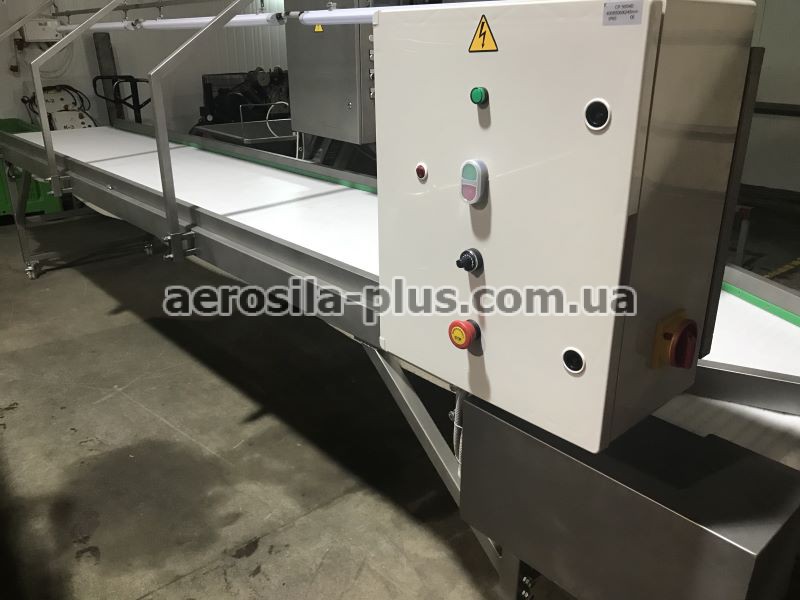
How to design personnel changing rooms for a food facility: dirty-clean separation, stainless steel, people flows and hygiene requirements.
Read more →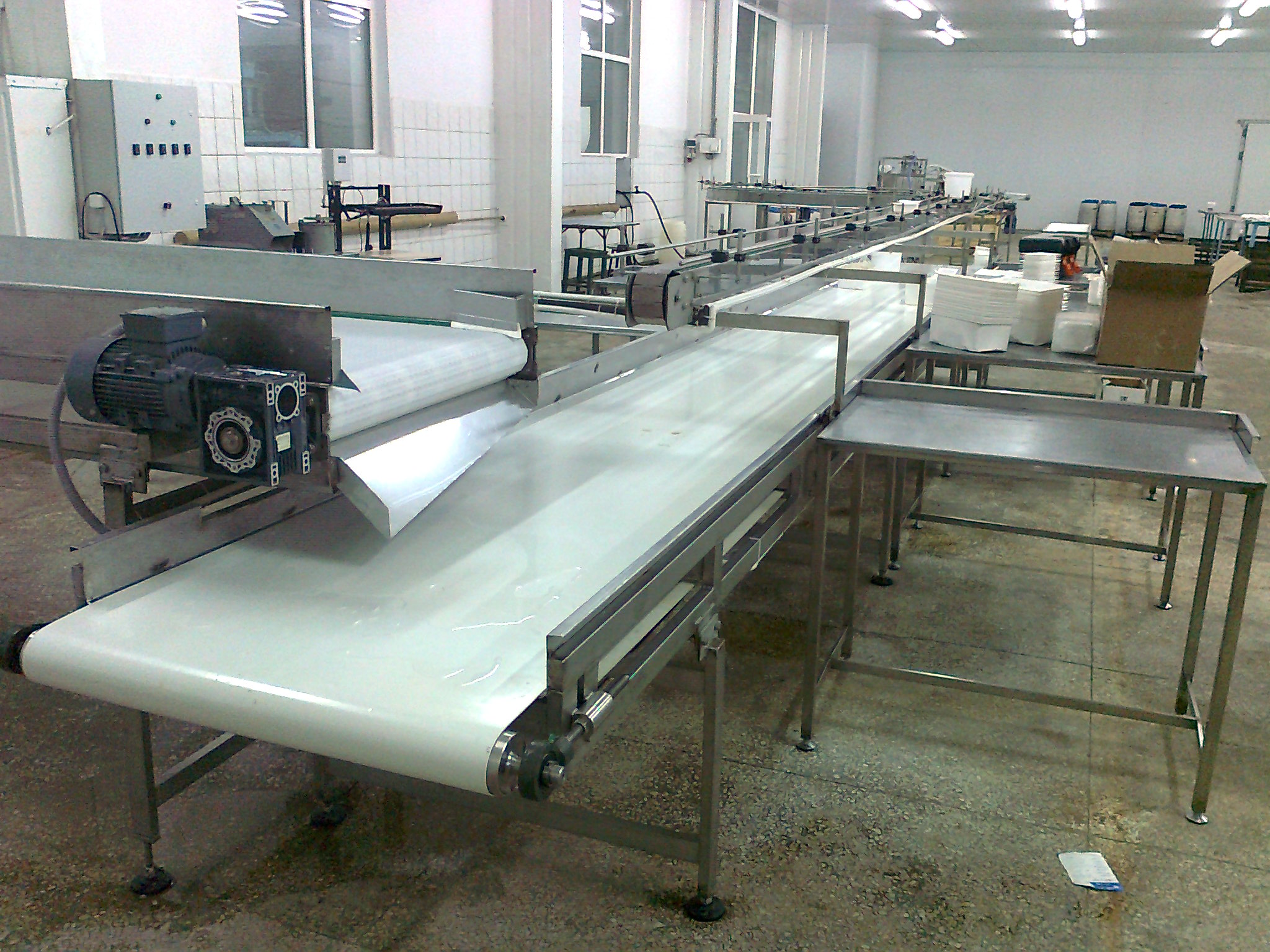
A marinades and sauces filling line project: container prep, dosed filling, capping, labelling — configuration, data and launch results.
Read more → Comparing air and contact cooling of finished products: speed, uniformity, hygiene and which products to choose each method for.
Read more → We break down the ROI of a flexible multi-SKU line: changeover time, typical limitations and how to tell if a universal solution fits your plant.
Read more →
How AI models classify the quality of vegetables, nuts and chips on a conveyor: cameras, model training, rejection — real examples and cost.
Read more →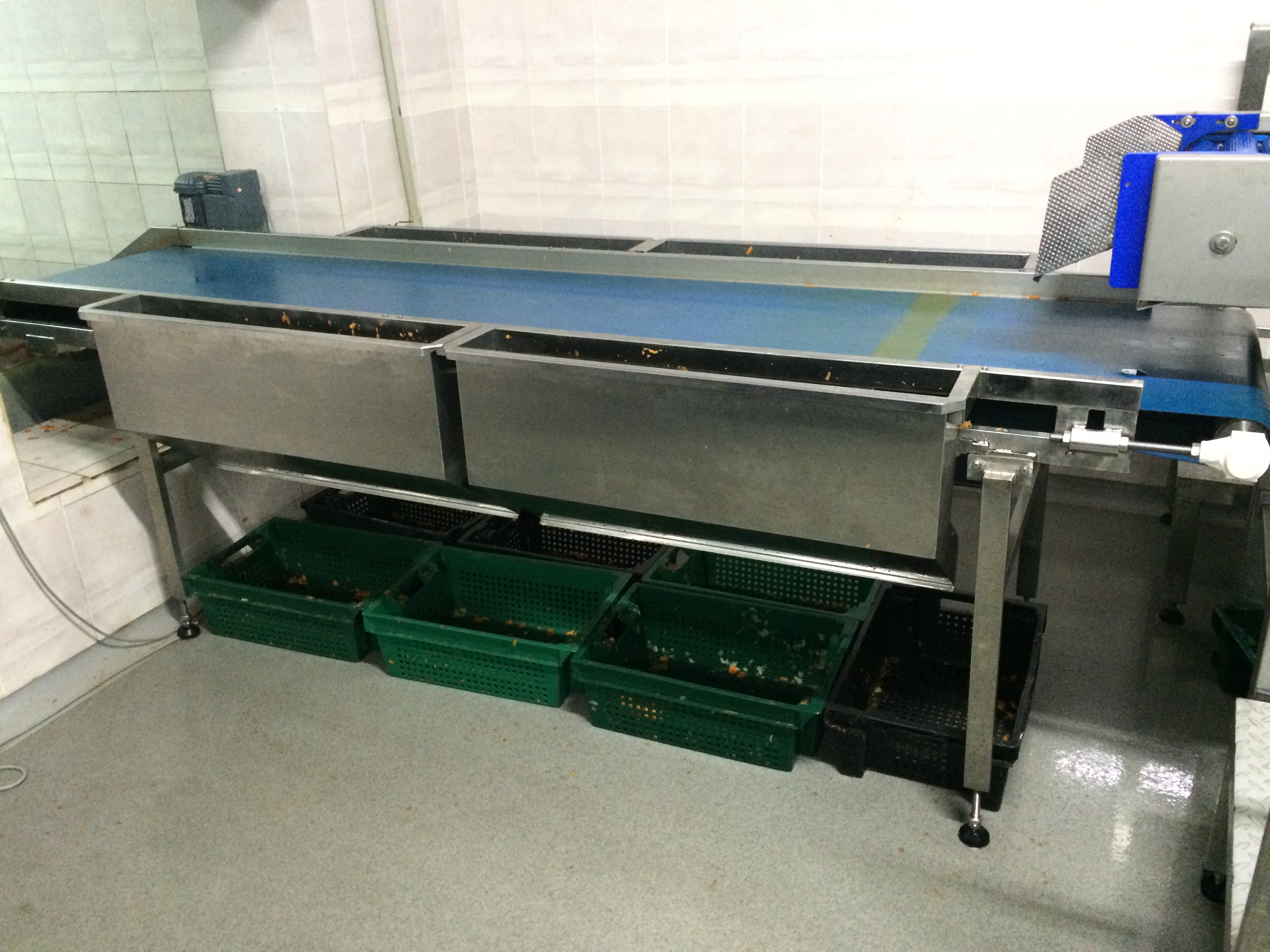
How to cut a conveyor line's carbon footprint: eco belts, energy-saving drive, material reuse and component lifetime explained.
Read more →
What a material conformity declaration for food-contact use includes, how to verify it and which typical mistakes suppliers make.
Read more → Local brands, sustainability, flexible lines and digitalisation — the main food manufacturing trends of 2026 and how they affect equipment.
Read more → The main themes of the year for food production: equipment digitalisation, export, energy saving and predictive maintenance of lines.
Read more →
How we modernized a working seaweed processing line: bottlenecks, unit replacement, +30% throughput without replacing the whole line.
Read more → Which metrics really show the efficiency of a conveyor line: OEE, MTBF, MTTR, FPY — how to calculate them and what to do with them.
Read more →
Scenarios for an emergency and a planned conveyor line stop: how to keep product in the production zone and avoid scrap during a sudden stop.
Read more → What to include in a conveyor technical passport, why it is needed for repairs and audits, and how to keep the document over the equipment's service life.
Read more → Which conveyor spares to always keep on the shelf and which to order on demand: unit criticality, lead time and stock-holding logic.
Read more → How to equip a large kitchen: compact conveyors, hygiene, fast cleaning and tray logistics in restaurant, hotel and canteen kitchens.
Read more → Specifics of conveyors for stone processing: abrasive dust, water protection, reinforced frames and high-strength belts — our experience and a case.
Read more → Signs of conveyor drum imbalance, static and dynamic balancing methods and the consequences of neglecting this operation.
Read more → Why a static charge on a conveyor is dangerous, how to measure and control it: antistatic belt, frame grounding and brush dischargers.
Read more →
A standard operating procedure for replacing conveyor bearings: dismantling, marking, new unit, lubrication and post-installation checks.
Read more → How AI models predict conveyor failures 7–14 days ahead, what data is needed for training and how much predictive maintenance costs to deploy.
Read more → What a 5-day conveyor line operator training program covers: typical operator mistakes and how to prevent them through systematic training.
Read more →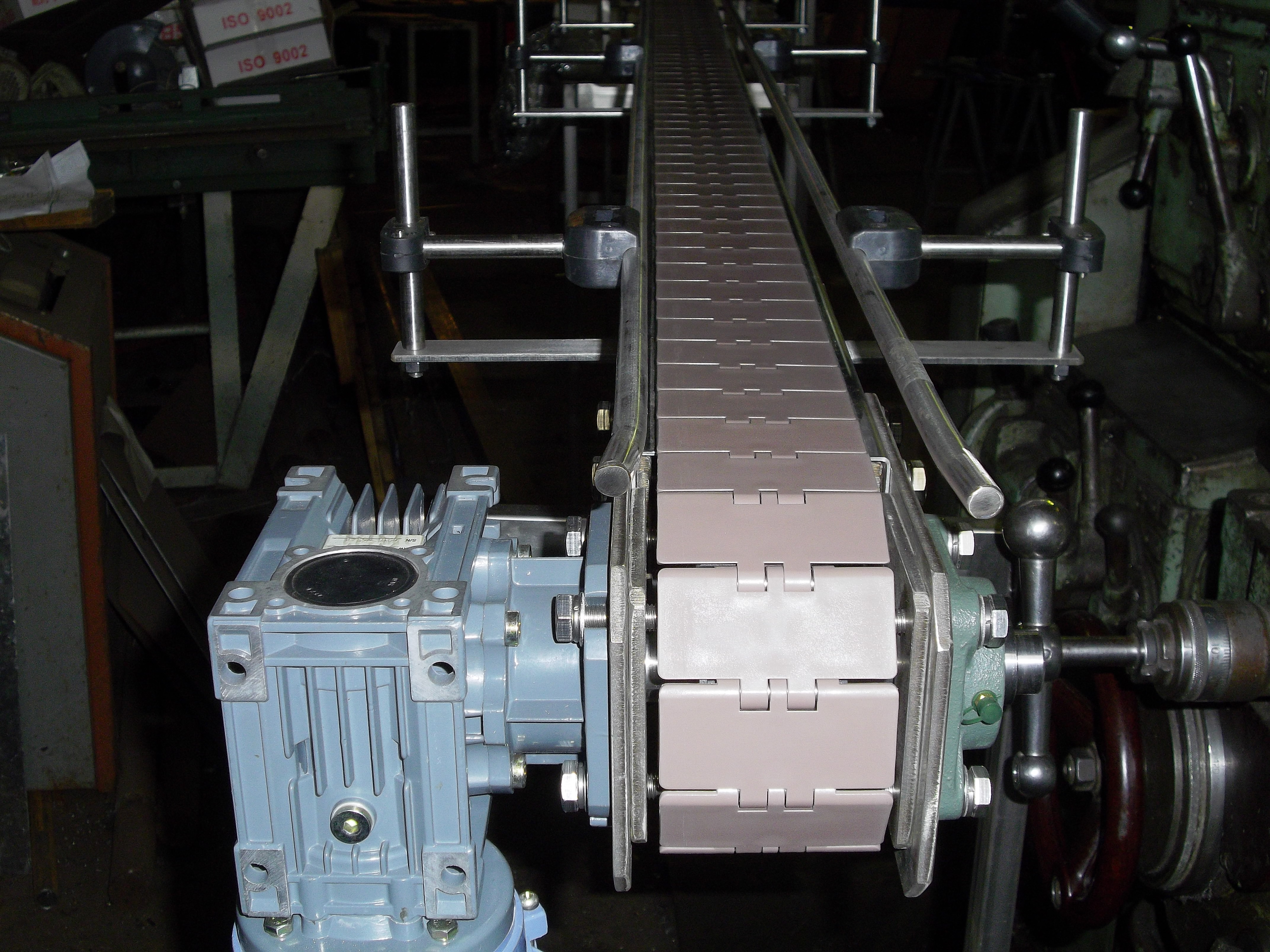
The specifics of conveyors for the mining industry: high-strength belts, heavy frames, special bearings and protection against abrasive wear.
Read more →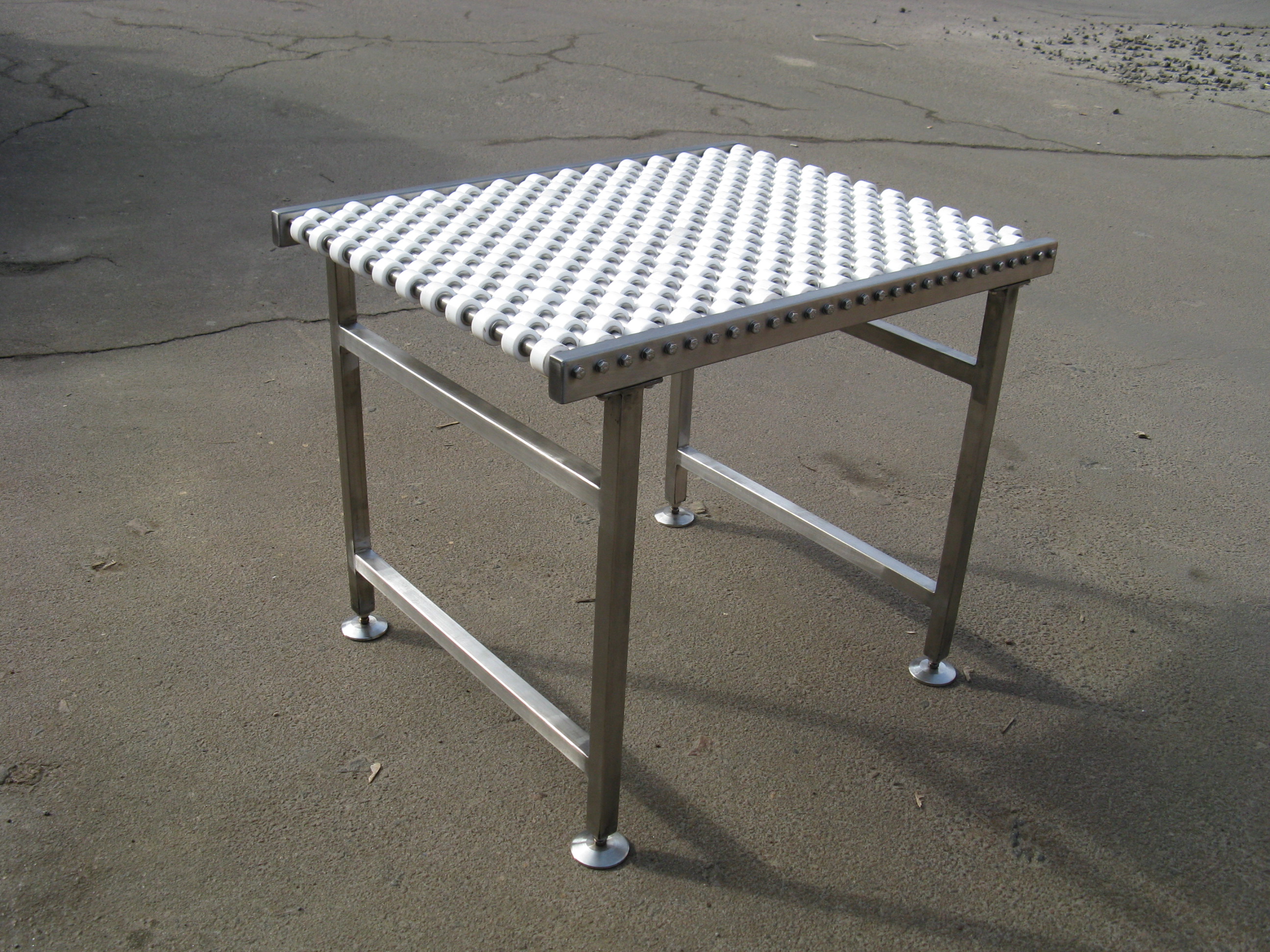
How belt and roller conveyors for woodworking are designed: handling boards, panels and sawdust, the load specifics and our experience.
Read more → How a laminar flow box works: the laminar airflow principle, cleanliness classes, HEPA filters and integrating the box into a production line.
Read more →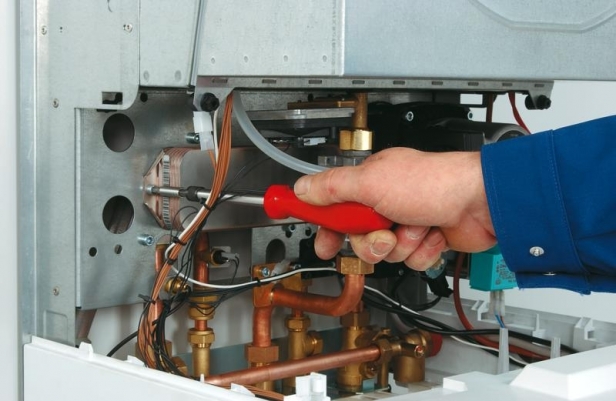
How a new production line is commissioned: a 14-day checklist from first start-up to full throughput, the stages and typical mistakes.
Read more → A weekly plan for HACCP audit preparation: typical auditor remarks on equipment and how we prepare clients for the inspection in a month.
Read more → How conveyors for cosmetics manufacturing are designed: hygiene, stainless steel, flexible lines for various bottle shapes and fast changeover.
Read more → How conveyors for pharmaceutical production are designed: GMP requirements, cleanroom classes, AISI 316L stainless steel and equipment validation.
Read more →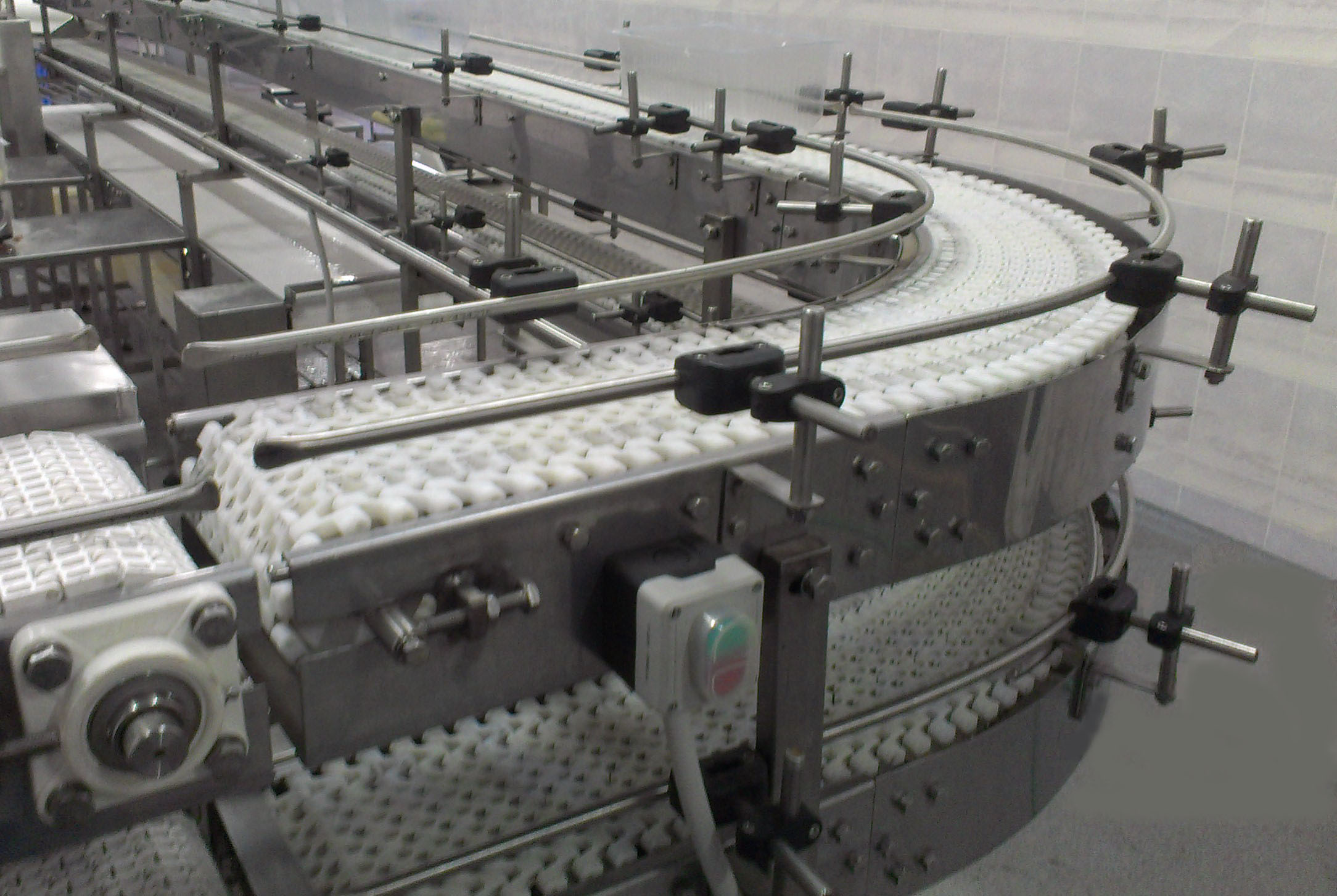
How main and distribution conveyors for postal and courier services are designed: speed, sorting by direction, peak load handling.
Read more →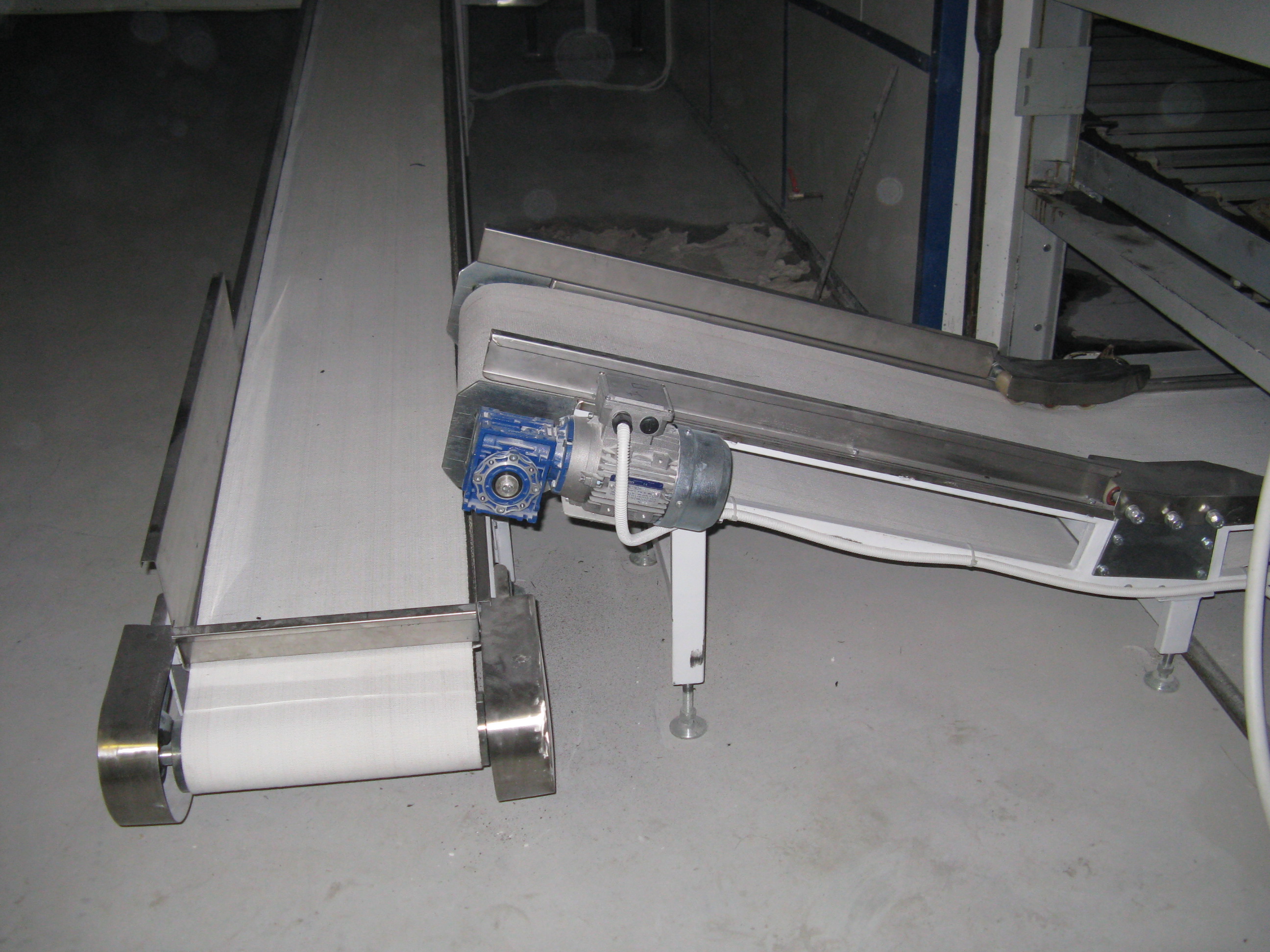
How airport baggage conveyor systems are designed: irregular load shapes, incline angles, control points and reliability requirements.
Read more →
What a digital twin of a conveyor line is, how to simulate throughput before launch and the real benefits the technology gives a manufacturer.
Read more →
How machine vision works for product inspection on a conveyor: cameras, AI models, lighting, rejection and the rough cost of implementation.
Read more → How to cut a conveyor line's energy use and prepare for power outages: 10 practical measures for manufacturing.
Read more → How to choose a stand for a multi-head weigher: dimensions, load, height adjustment. Standard and custom solutions.
Read more → How to draw up a maintenance plan for a conveyor line: monthly and quarterly works, maintenance logs, checklists for the mechanic.
Read more → How to organize workplace safety on a conveyor line: briefings, prohibited actions, PPE, logbook. Practical experience of safe operation.
Read more → What product movement trolleys exist: for EUR pallets, 600×400 containers, platform carts. Typical sizes and load capacities.
Read more → What bread carts should be like: stainless steel, dust covers, smooth wheels. Design standards for bakeries.
Read more → Why a roller inspection conveyor beats a belt one: the product rotates on rollers and the inspector sees it from all sides.
Read more → How a bait container works, where it is used in vegetable and fruit processing lines and what its design features are.
Read more →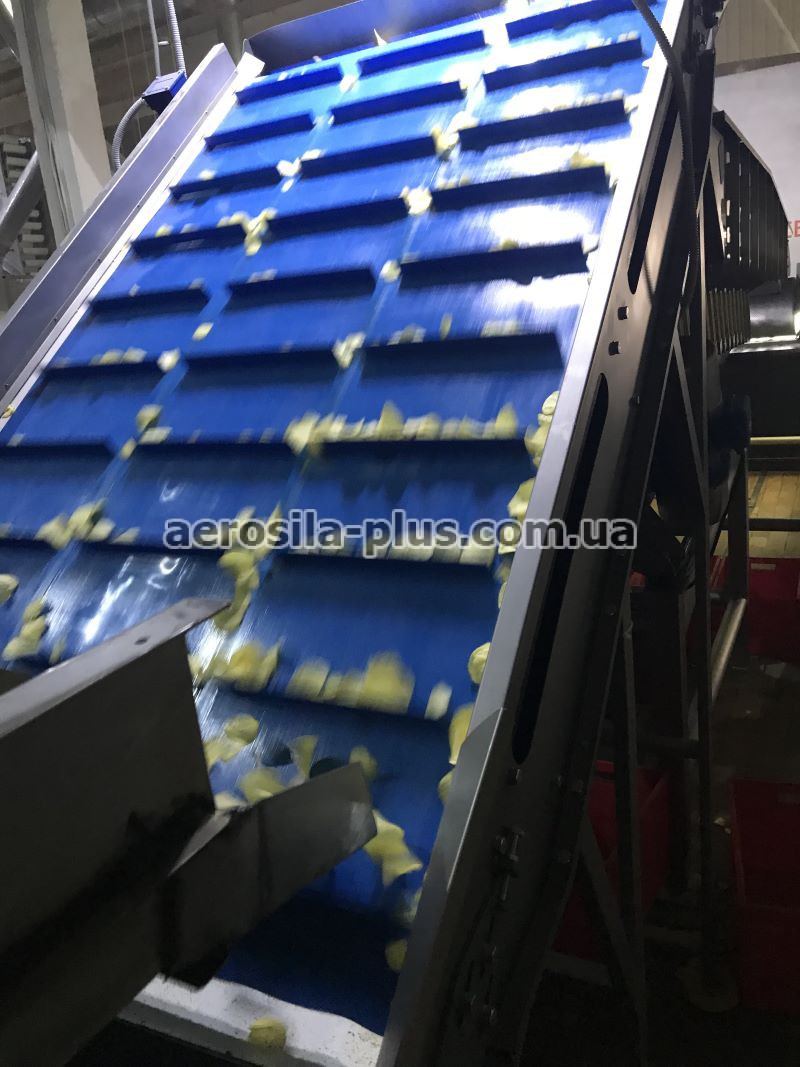
Which feeder conveyor type to choose for a bunker: belt, scraper, screw. Throughput regulation and matching the feed rate.
Read more → Where a conveyor needs an antistatic belt: dry bulk, flour, flammable products. Conductivity classes, marking and selection.
Read more → Which conveyor parameters to monitor with IoT sensors: vibration, temperature, rpm. How to integrate with SCADA and spot a fault before failure.
Read more → Which Industry 4.0 promises already work on Ukrainian conveyor lines, where the savings are real and where it is just marketing.
Read more → Lessons of 2022 for food industry manufacturers: flexibility, supplier diversification, relocation, energy independence.
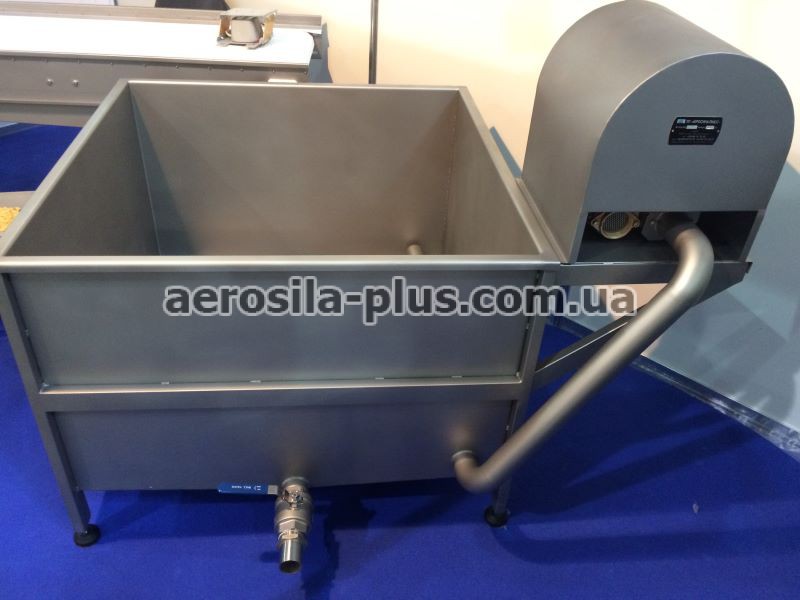
Read more → How a bubble bath works for gentle washing of vegetables and fruits: design, air pressure, for which products it is mandatory.
Read more → How we delivered a snack line with fast changeover between four chip types: the task, the solution and the project results.
Read more → How to design a marinating line for cucumbers, mushrooms, garlic and peppers: modules, changeover, brine dosing, stainless steel.
Read more →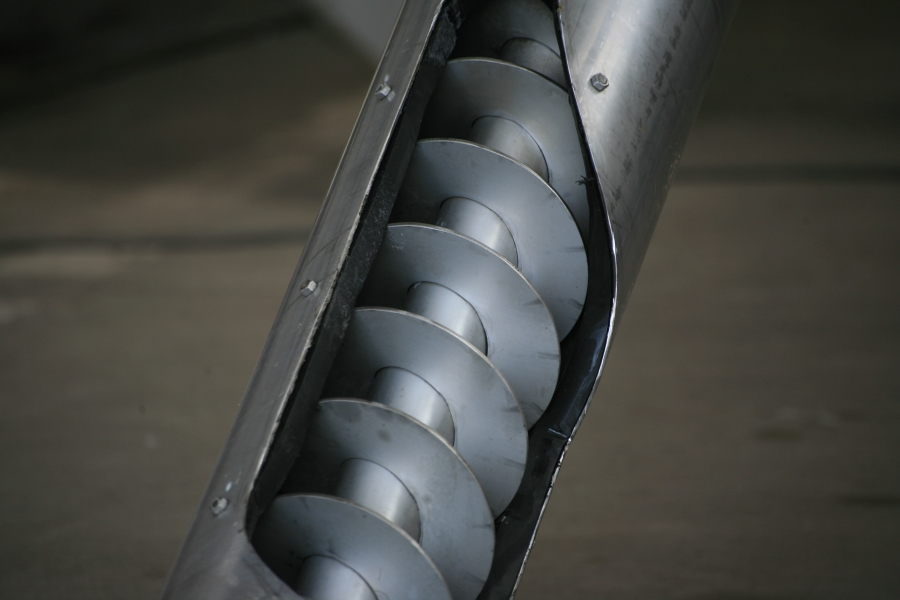
How to calibrate a screw feeder on site: the parameters affecting accuracy, the measurement method and common mistakes.
Read more → How to choose a conveyor belt scraper for the product: polyurethane, polyethylene, nylon, metal-detectable materials and the pressure.
Read more → The minimum conveyor safety set: emergency stop buttons, pull-cord switches, light curtains, nip-point guards.
Read more →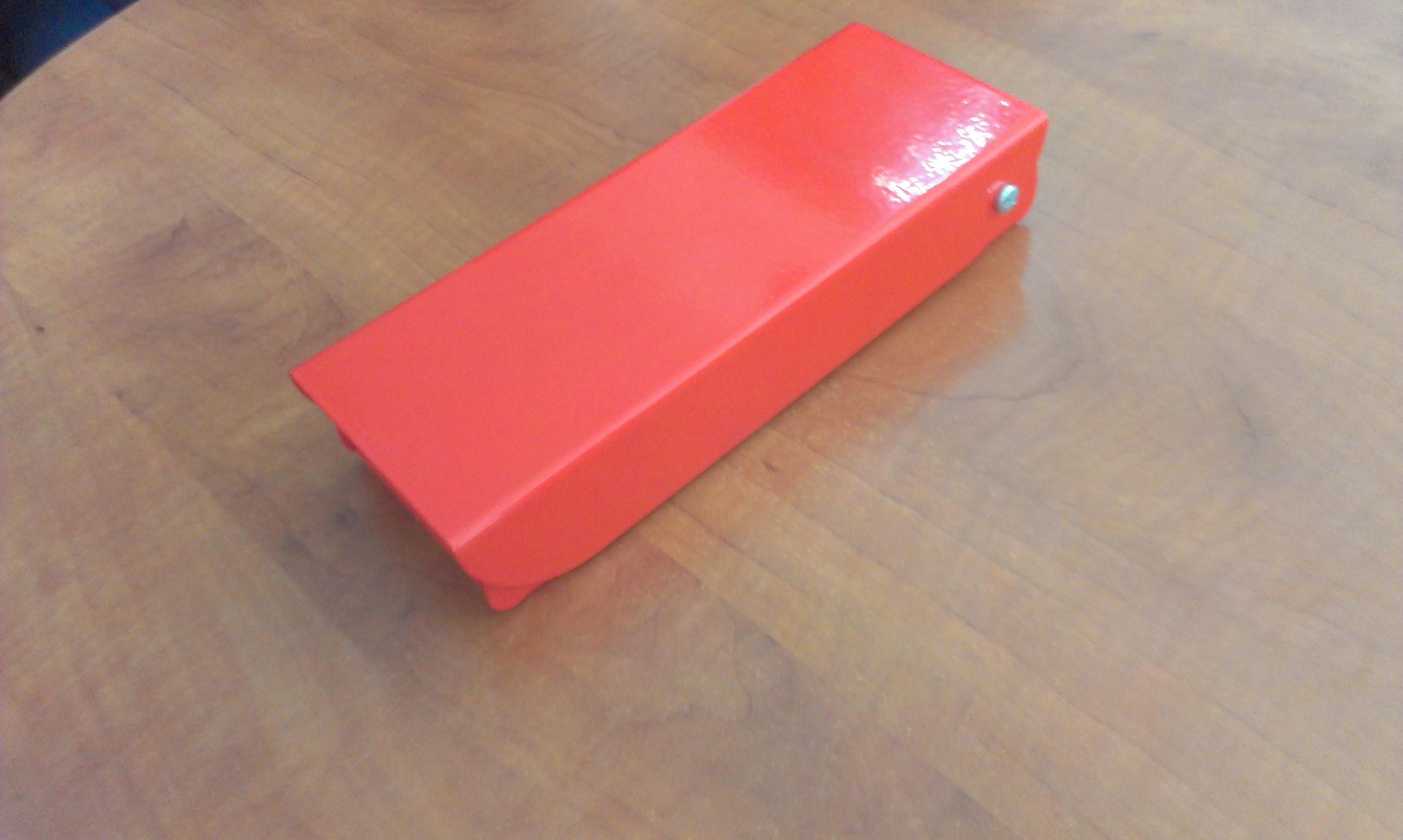
What is needed for CE marking of food equipment for export: EU directives, technical documentation, risk assessment and the declaration.
Read more → How to select a driven roller conveyor's torque for the load: drive types, calculation, speed control and accumulation zones.
Read more → When a simple non-driven gravity roller conveyor replaces an expensive driven one: incline calculation, roller pitch, load capacity.
Read more → How to choose a slat conveyor for a packaging line: slat material, load capacity, drive options and chain pitch.
Read more → How to cut a conveyor line's energy use by 20%: variable drives, lighter belt, lubrication, drive optimisation and smarter operating modes.
Read more →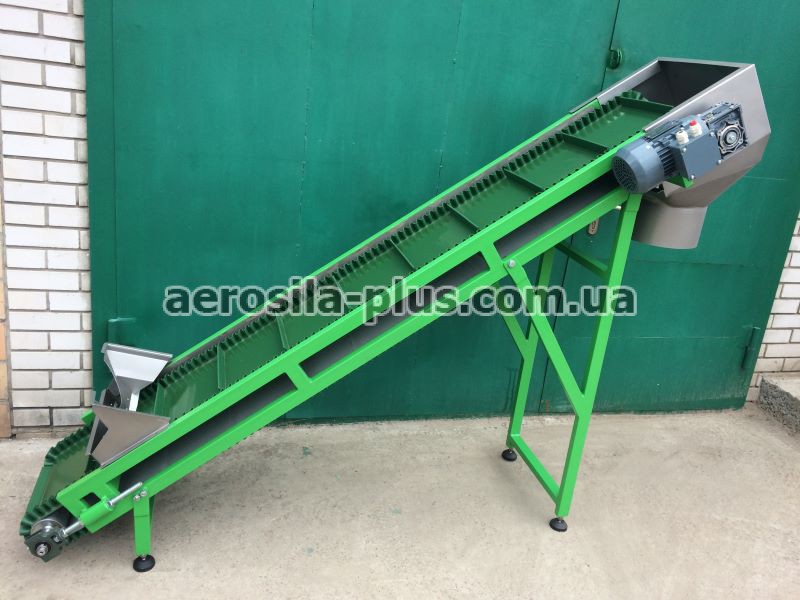
Why a cheap conveyor costs more: total cost of ownership over 5 years — purchase, energy, maintenance, downtime and spare parts.
Read more → How a pop-up cross profile reduces damage to wafers, biscuits and frozen berries on inclined sections of a conveyor belt.
Read more → A step-by-step standard procedure for replacing a conveyor belt: preparation, marking, removal, installation and calibration in 4 hours instead of 12.
Read more → A real project: how we added conveyors and a rotary table to a manual bakery and raised throughput without expanding the workshop.
Read more →
A delicate nut and the risk of water hammer: why walnut washing needs a gentle mode, how to build the line and keep the kernel intact.
Read more → V-belt or flat belt for a conveyor drive: selection criteria, correct tension, service life and maintenance practice.
Read more →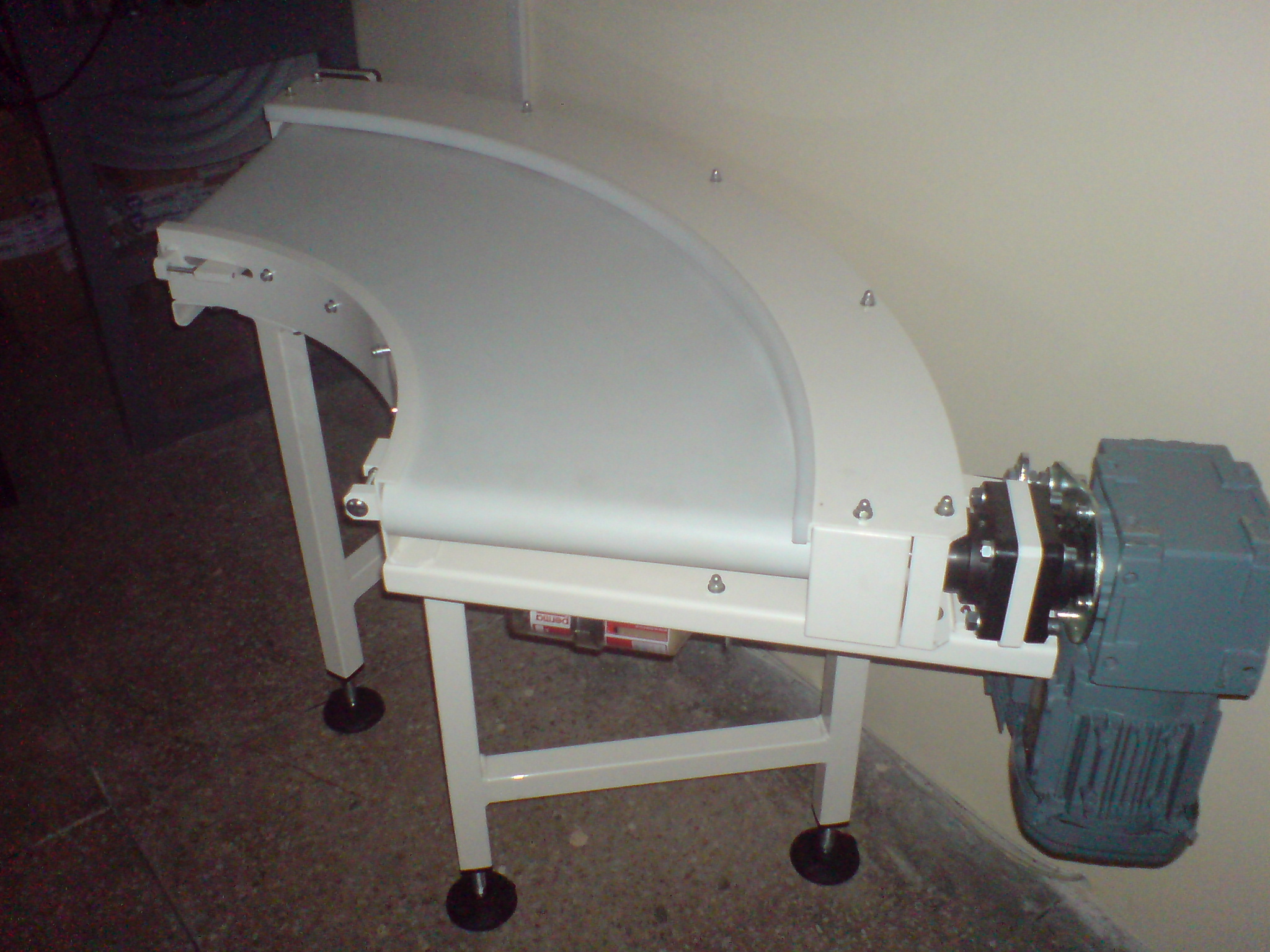
How to make a 30, 45 or 90 degree route turn: turning conveyor design, mat types, advantages and limitations of the layout.
Read more →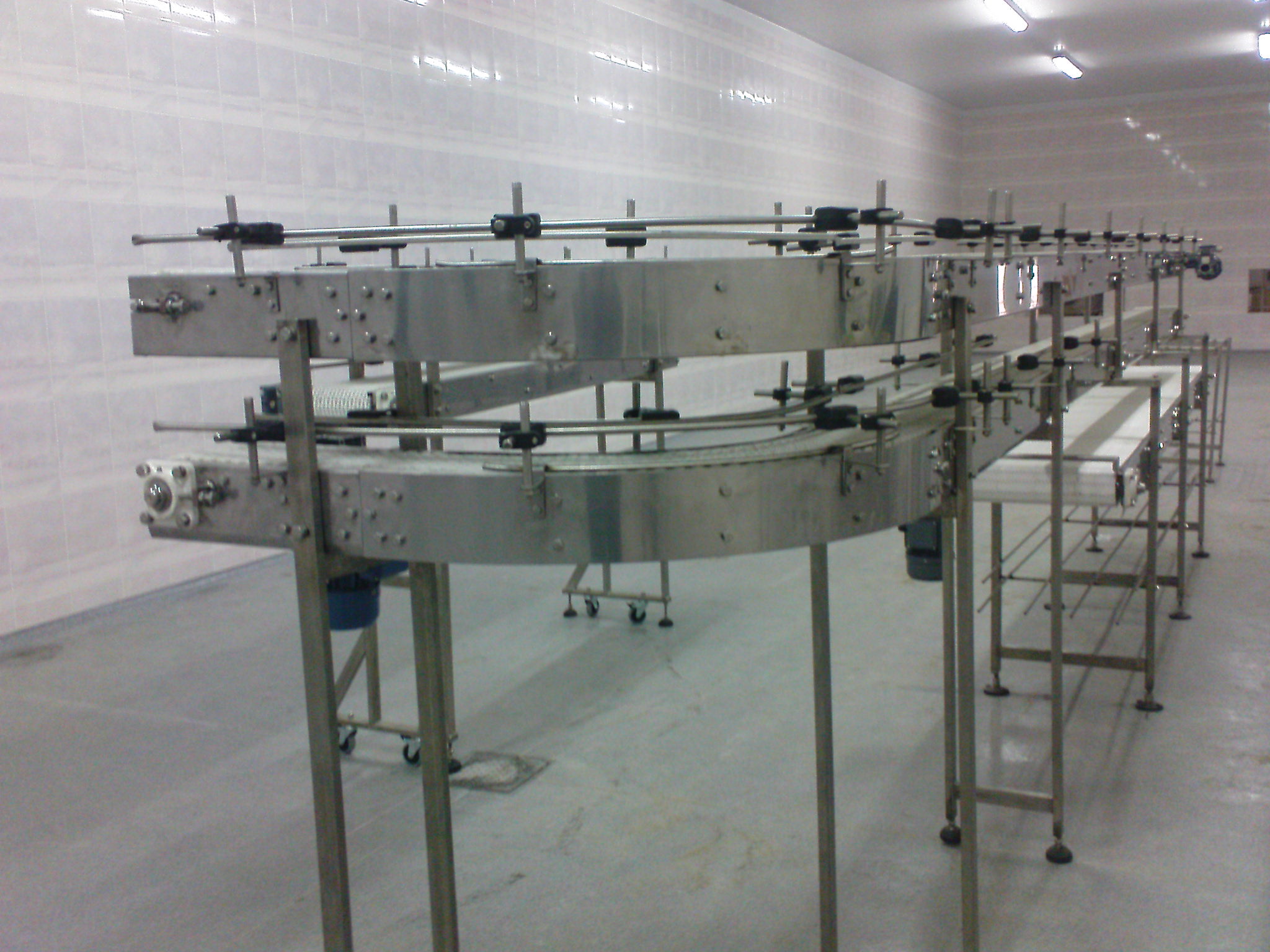
How a multi-level conveyor saves floor space without losing throughput: design, typical schemes, limitations and areas of application.
Read more →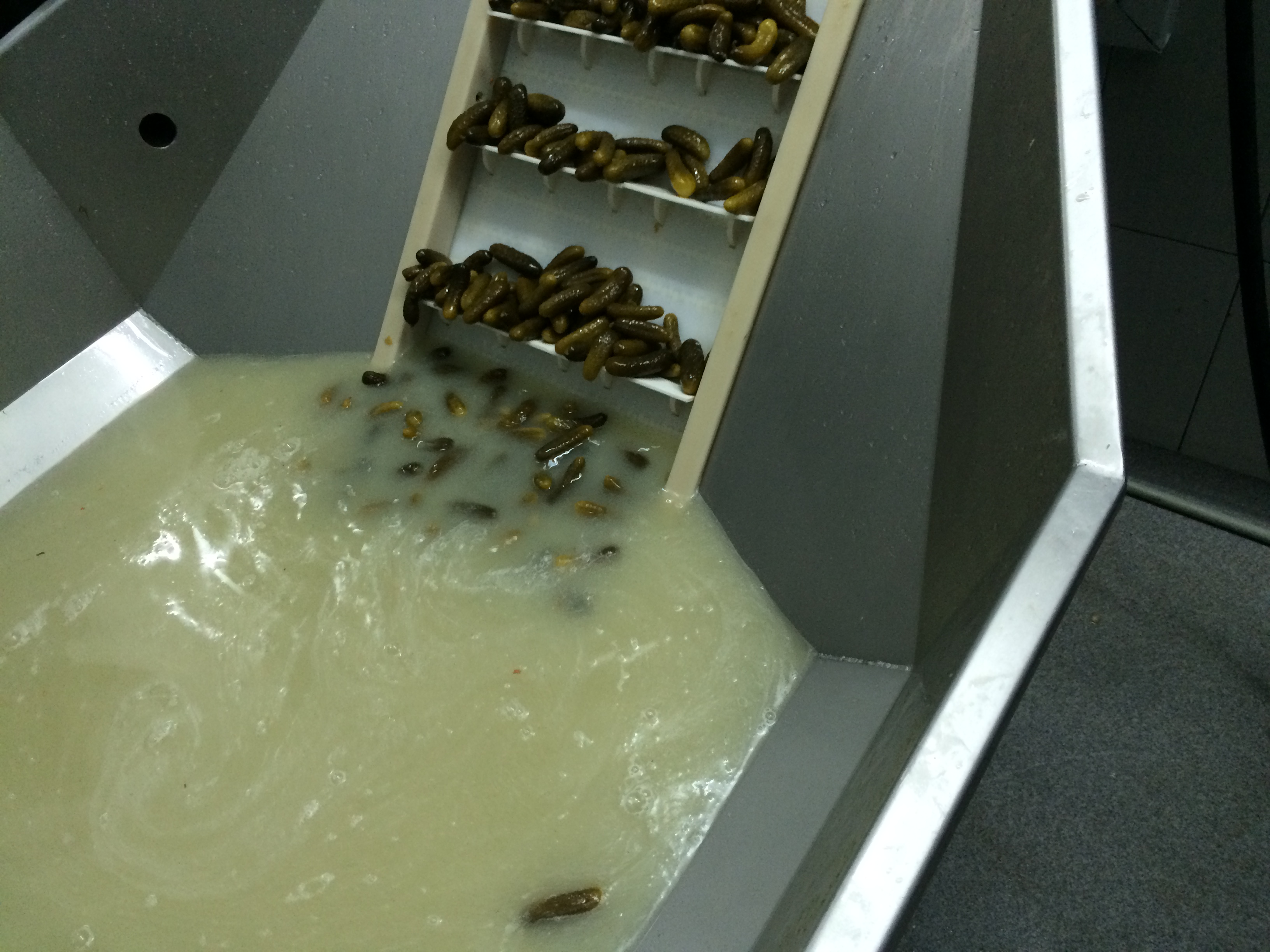
How to decide whether to modernize an existing line or order a new one: ROI calculation, equipment condition assessment, typical scenarios and tips.
Read more → Modular build of a full vegetable and fruit processing line: calibration, washing, inspection, cutting, packing — how to configure it for your product.
Read more →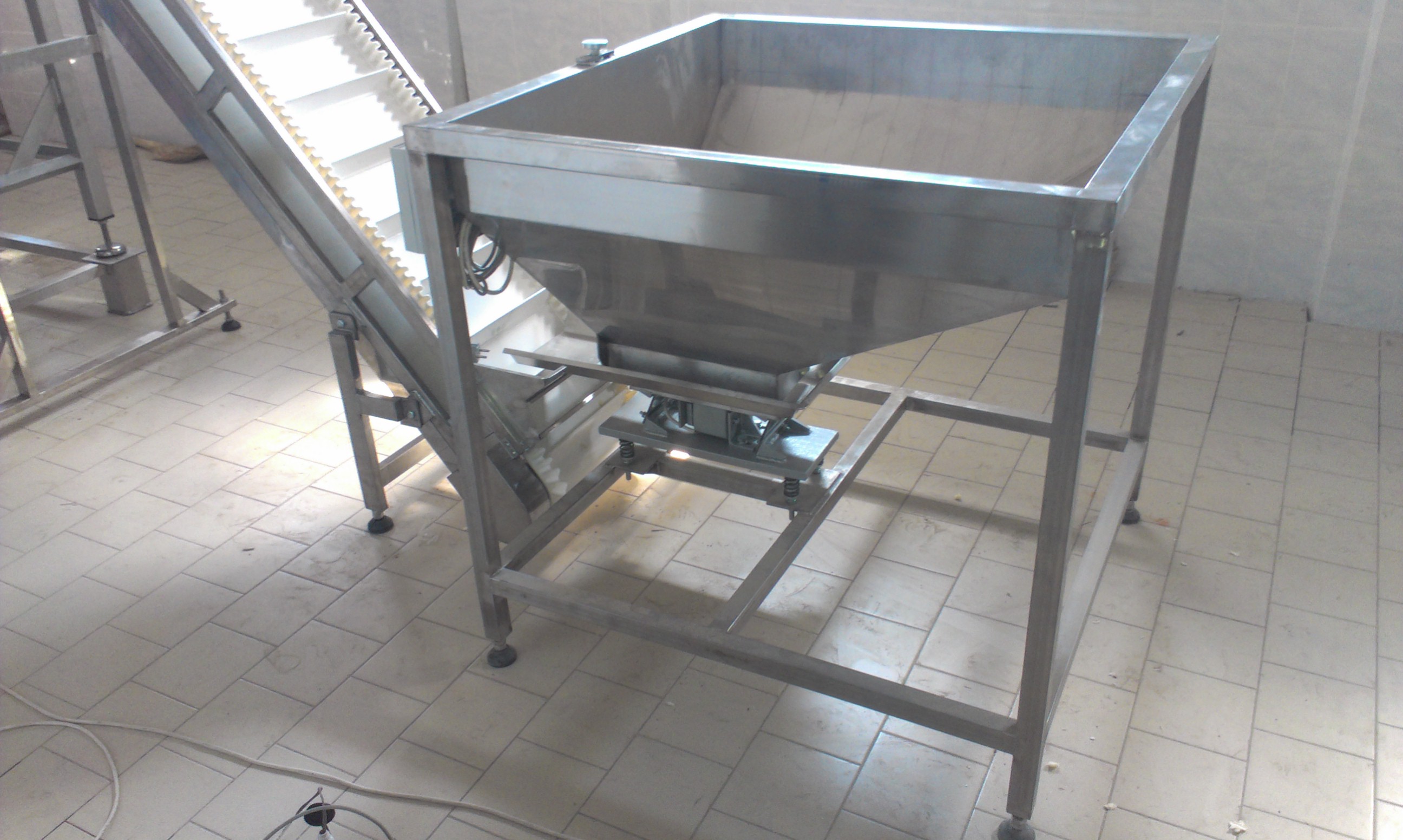
How the bunker plus vibrating chute tandem works: principle of dosed feeding, accuracy, throughput control and integration into a process line.
Read more → Why customers switch from imported equipment to Ukrainian manufacturers: lead times, service, price, spare parts and design flexibility.
Read more → Flexibility, supplier diversification, contactless logistics — the main lessons of 2020 for food industry manufacturers.
Read more → How we designed a cucumber pickling line with a spill-free container tipper, brine dosing and filling.
Read more → A 14-day checklist for preparing a processing line for the season: maintenance, spare parts, staff training.
Read more → Calibration, slicing, blanching, frying, flavouring, packaging — the full layout of a potato chips production line.
Read more → How a check-weigher works, weighing accuracy, integration with the packaging line and rejection of out-of-weight packs.
Read more → Optical contrast with the product, perception psychology, HACCP requirements — why food line parts are coloured blue.
Read more → Why metal-detectable components are mandatory on a line with a metal detector and how to save on false rejections.
Read more → Radii, slopes, drainage, no dead zones — ten EHEDG principles for the contact surfaces of food equipment.
Read more → V-belts, flat and poly-V belts for conveyor drives: how to choose the type, tension correctly and avoid common mistakes.
Read more → AT, HTD, GT profiles for toothed belts: how to choose the pitch, width and module for a conveyor drive load.
Read more → Steps of production line automation: sensors, controller, mimic diagram. How to get the first 30% of the result at minimal cost.
Read more → Disinfection, contactless transport, distance between workstations — how to adapt a food line to the 2020 sanitary requirements.
Read more → How a garlic marinating line with a spill-free container tipper works: loading, brine dosing, packing. We break down a delivered project.
Read more → How to design an inspection conveyor: lighting, height, belt speed, operator workplace ergonomics. We break down requirements for sorting equipment.
Read more → Parameters of a cooling line after heat treatment: mesh belts, air volume, temperature. We break down how cooling of finished product is designed.
Read more → Full nut processing line layout: calibration, shelling, roasting, inspection. We break down the equipment and parameters for walnut, pistachio and peanut.
Read more → How metal racks for production are designed: shelf load, stainless or painted steel, modularity. We break down the choice of racks for a workshop.
Read more → A case study of a seaweed processing line: salting, cutting, packing. We break down the equipment specifics and the results of a delivered project.
Read more → When a conveyor needs a frequency converter: smooth speed control, energy saving, soft start and SCADA integration. We break down how to choose a converter.
Read more → How to choose a trolley lifter: electric and pneumatic lifters, lift height, load capacity, safety. Criteria for choosing a model for production.
Read more → How a plate conveyor is built, what load capacity it handles, where it is used. We break down steel plates on a chain and heavy-load applications.
Read more → How we install production lines: site preparation, foundations, utilities, commissioning. We break down the equipment installation stages and realistic timing.
Read more → We break down BRC standard requirements for food production: what the auditor checks, common non-conformities and how to prepare your line and documentation.
Read more → What the EU 1935/2004 and FDA 21 CFR certificates on food materials mean, how they differ and how to verify a supplier's certificate.
Read more → How we designed and launched a line for processing and blast-freezing a vegetable mix: task, solutions, equipment configuration and project results.
Read more → Conveyor belt cleaning systems during operation: types of scrapers and brushes, replacement frequency and effectiveness of cleaning options.
Read more → Plastic conveyor chain for food lines: standards, module types, advantages over metal chain and areas of application.
Read more →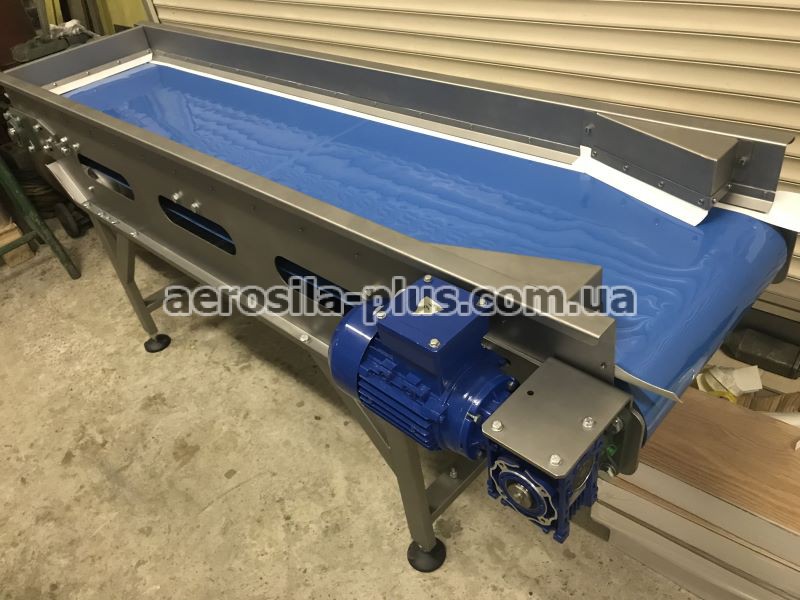
Helical, bevel and worm gearboxes for a conveyor: how to choose the type by efficiency, gear ratio and drive layout.
Read more →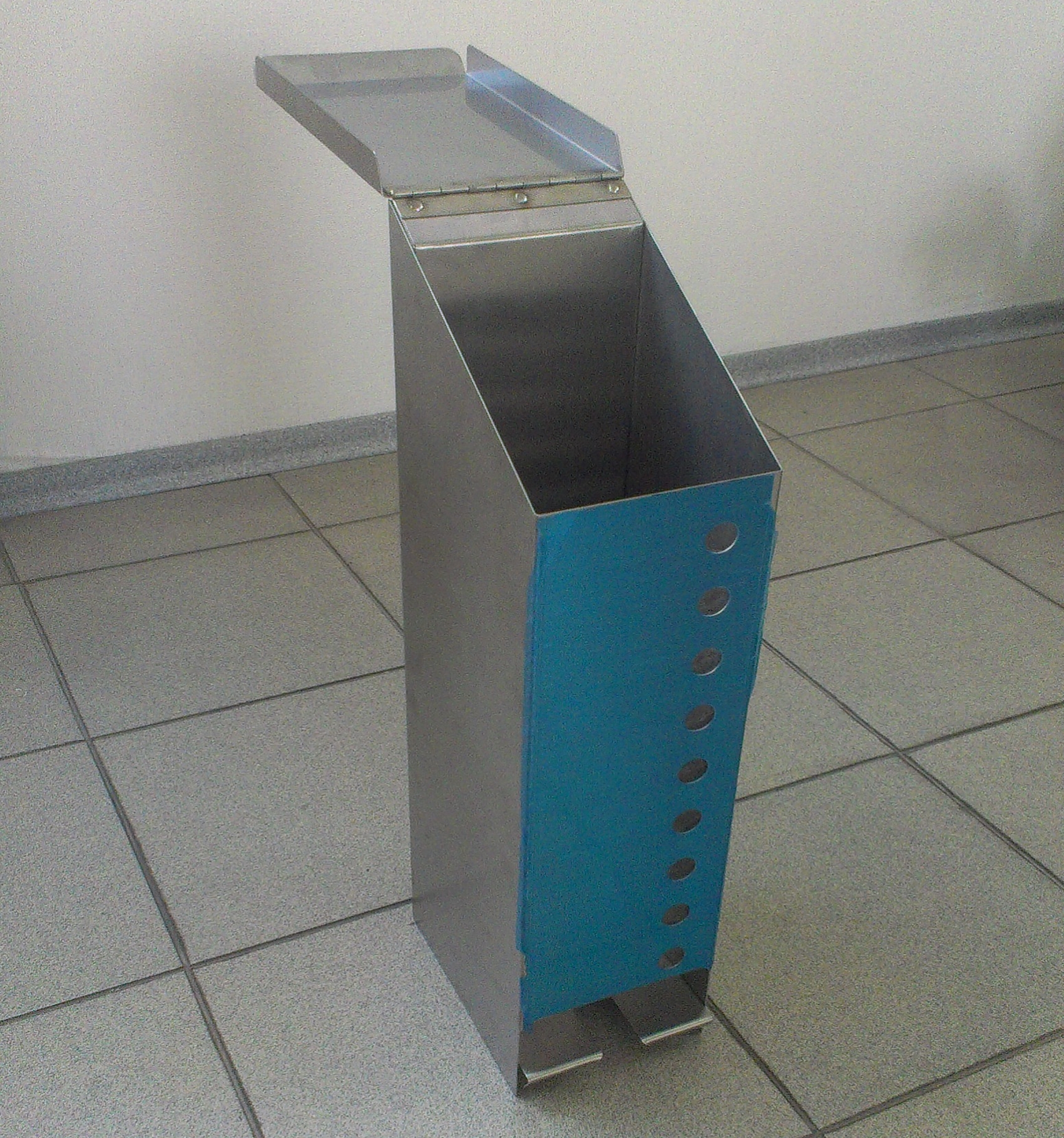
Volumetric and gravimetric dispensers for liquid products: operating principle, dosing accuracy, throughput and integration into a food line.
Read more → How to choose a rotary table for accumulating product before packaging: diameter, drive type, speed control and tabletop material.
Read more → Stages of an engineering consultation before ordering equipment: briefing, site survey, concept design, cost estimate and technical project approval.
Read more →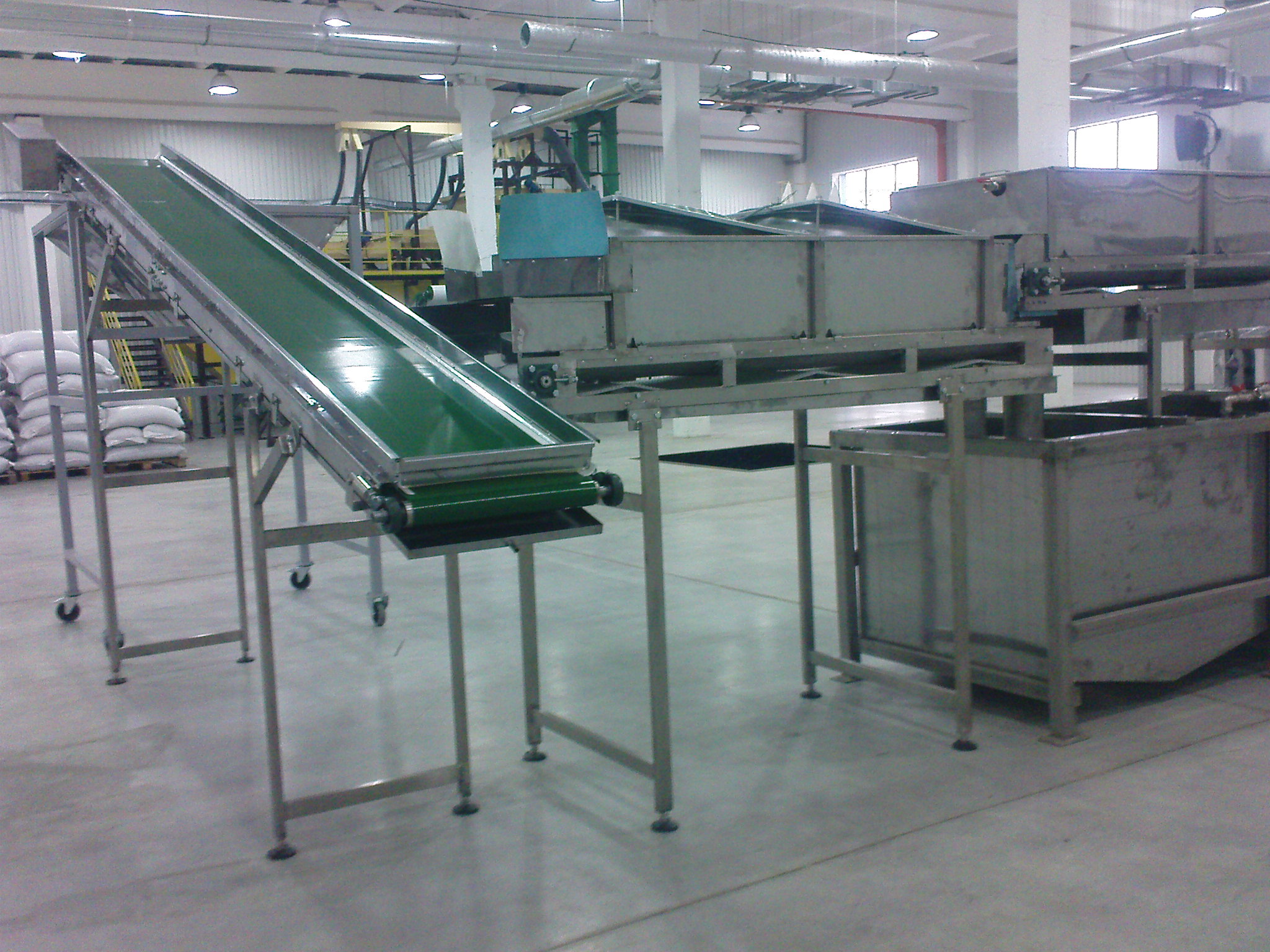
A multi-stage tunnel seed washer with water recirculation: design, throughput and advantages over a drum washer for large volumes.
Read more →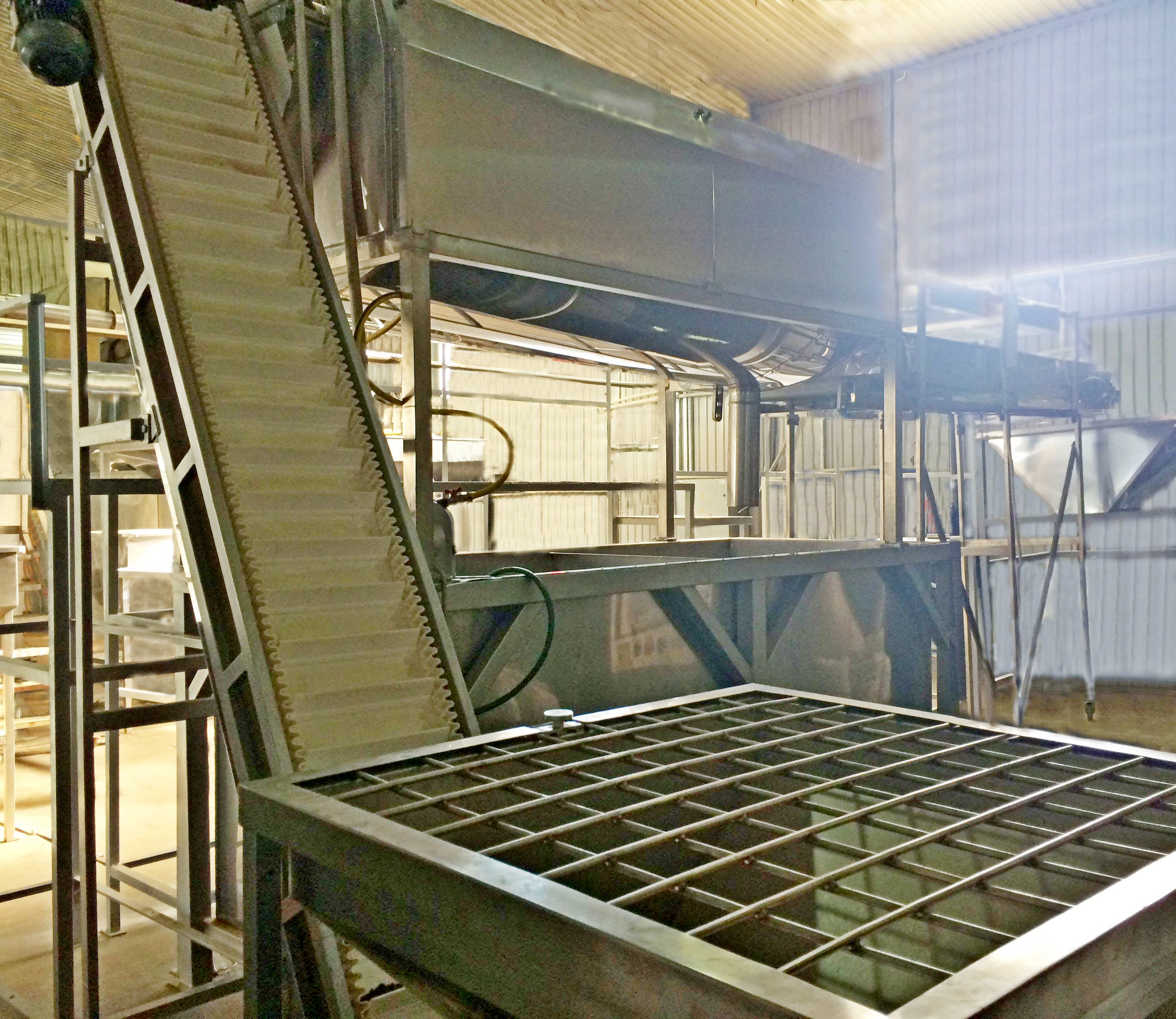
How a drum seed washer works, its throughput, water consumption and when a tunnel washer is the better choice over a drum one.
Read more → What an IFS auditor checks beyond HACCP, the requirements it sets for equipment and how to prepare a food line for IFS Food certification.
Read more →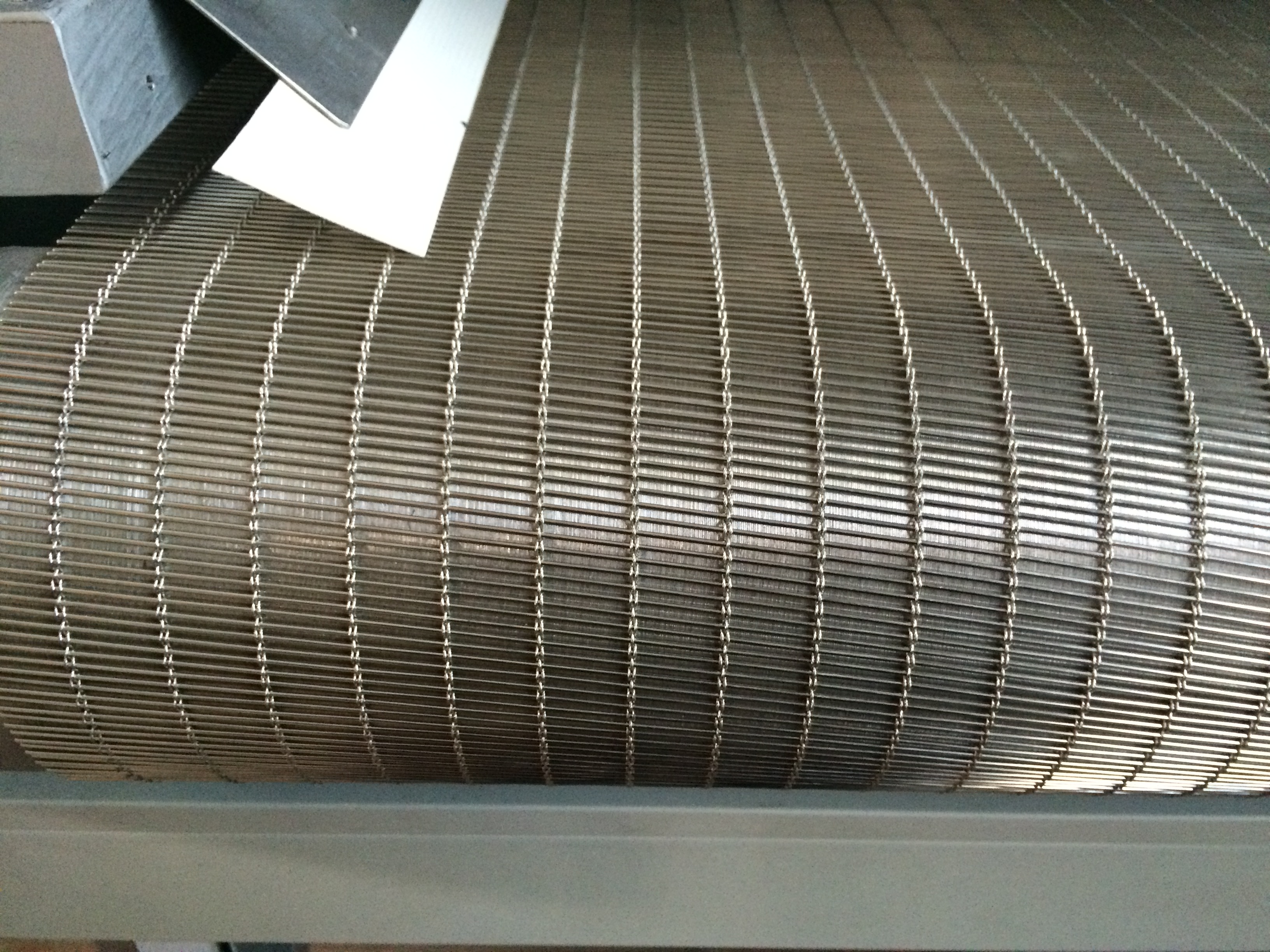
How to choose the weave and pitch of a stainless steel mesh belt: load, temperature range, use in ovens and cooling lines.
Read more → Where silicone conveyor belts are used: baking, confectionery, shrink wrapping. Temperature range, non-stick properties and service life.
Read more →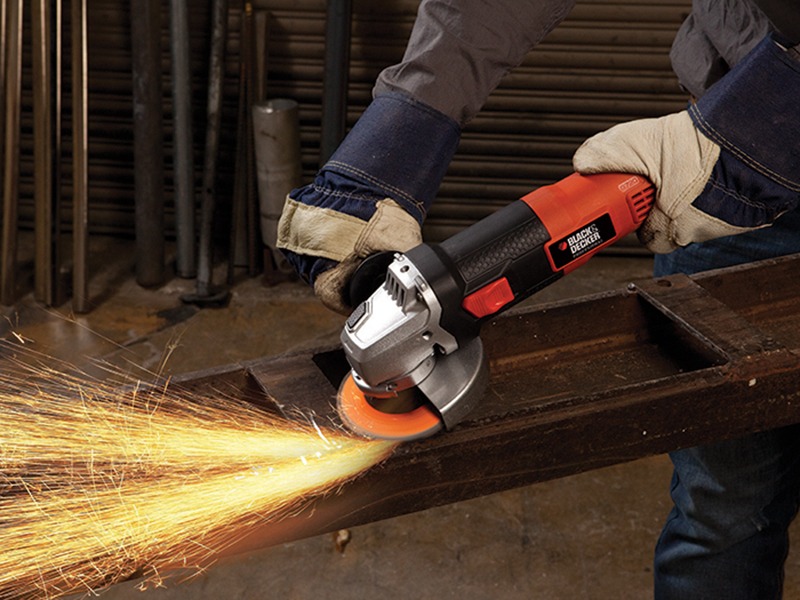
Logistics, labelling, workplace safety — how we dismantle old lines without damage to the premises or staff. Stages of work and common mistakes.
Read more →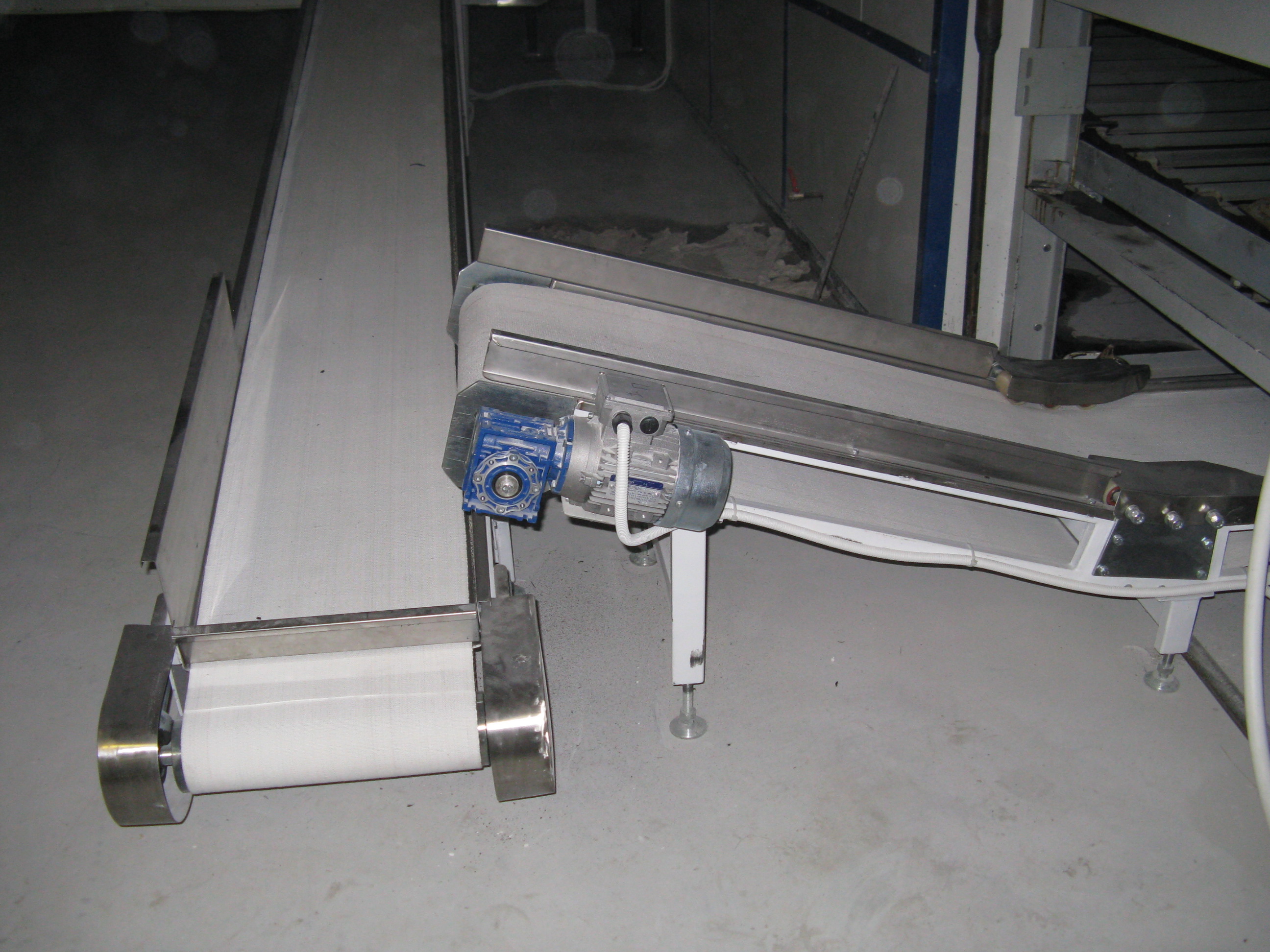
Conveyor bearing types, lubricant selection, maintenance intervals and signs of wear. A practical guide for the production line mechanic.
Read more →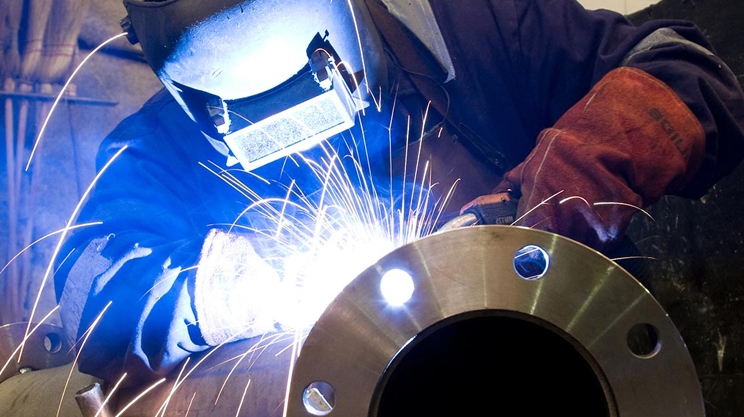
Argon welding of stainless structures for food equipment: TIG and MIG technologies, weld inspection and protection against intergranular corrosion.
Read more →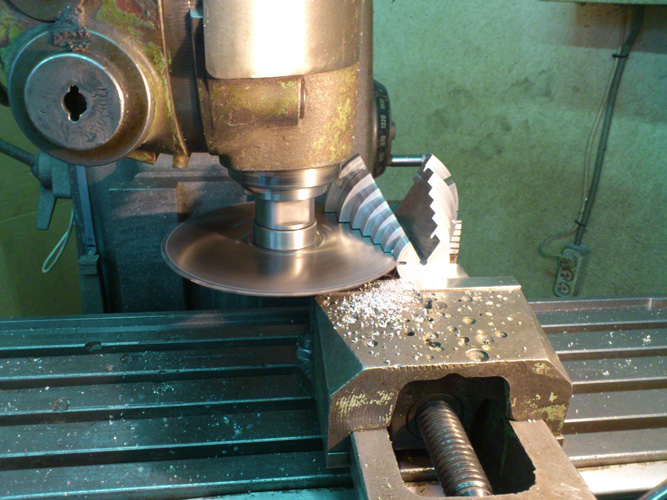
CNC milling of aluminium, stainless steel and polyethylene for conveyor parts: precision, surface finish and batch repeatability.
Read more →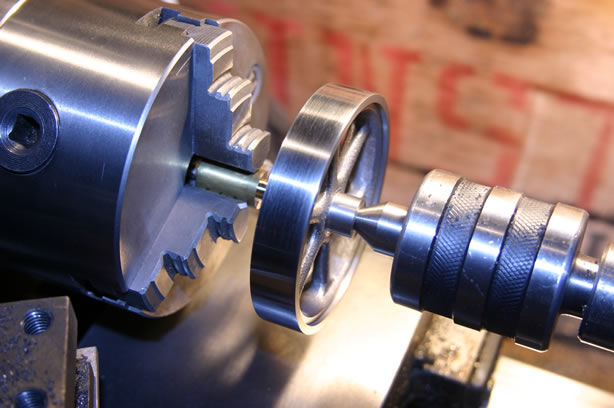
Precision, materials, drawings, heat treatment — how to order a turned part without rework or extra cost. A practical customer guide.
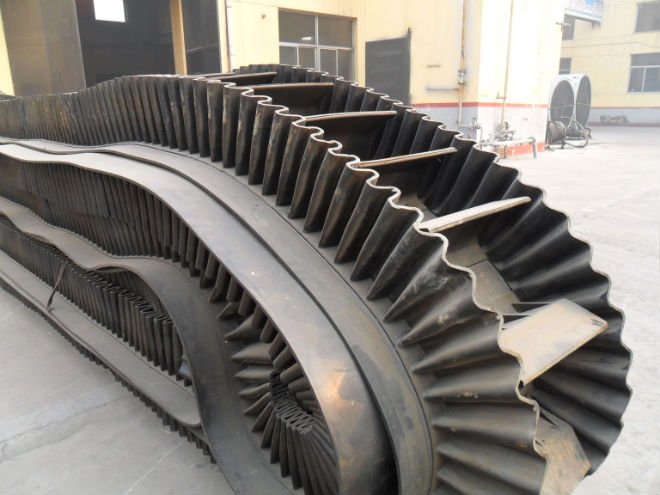
Read more → Transport at steep incline angles: how a corrugated sidewall and cross profiles work and which products gain the most from this solution.
Read more →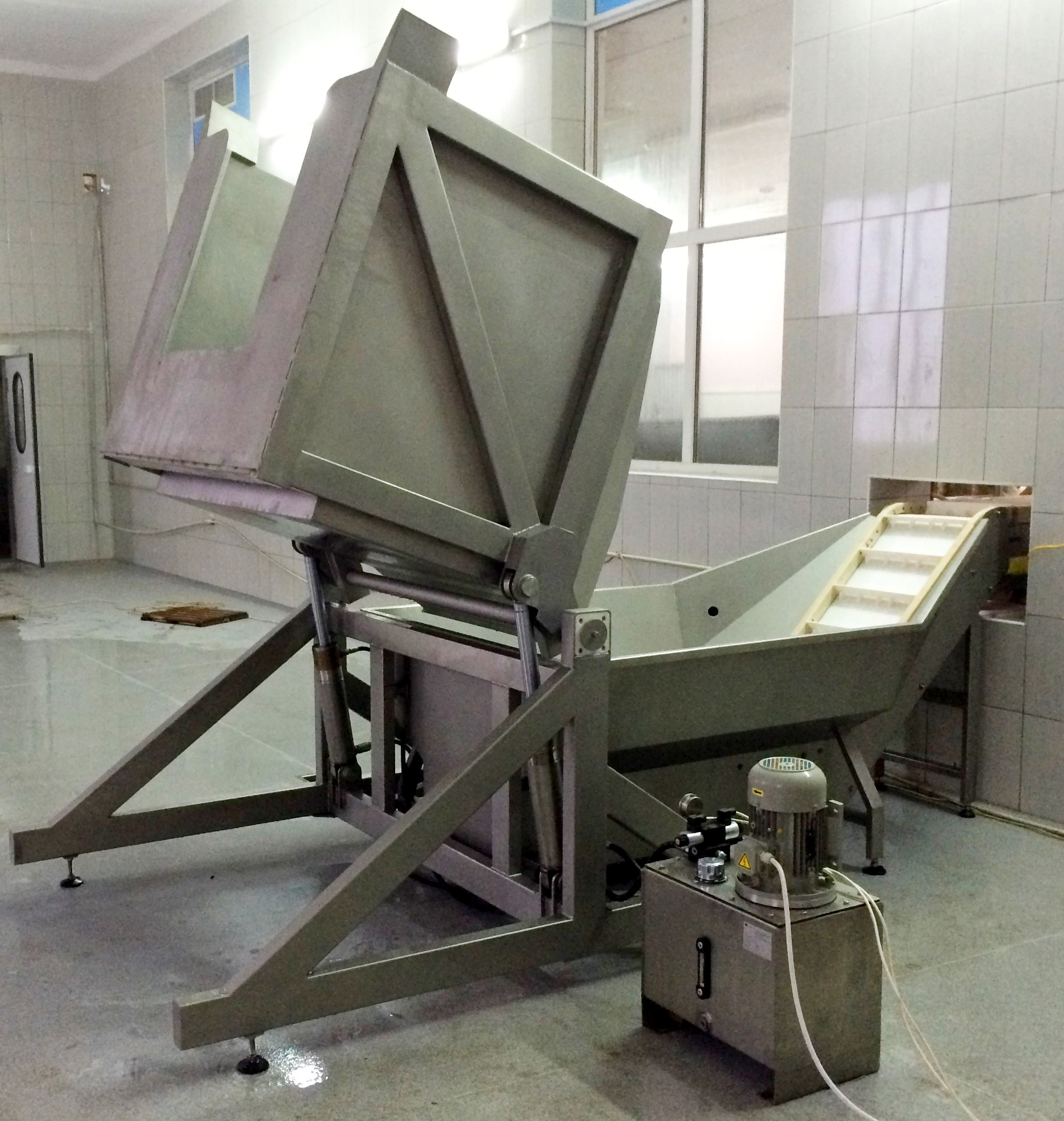
Hydraulic and electromechanical container tippers: which to choose, tipping angles, operation safety and integration into the line.
Read more →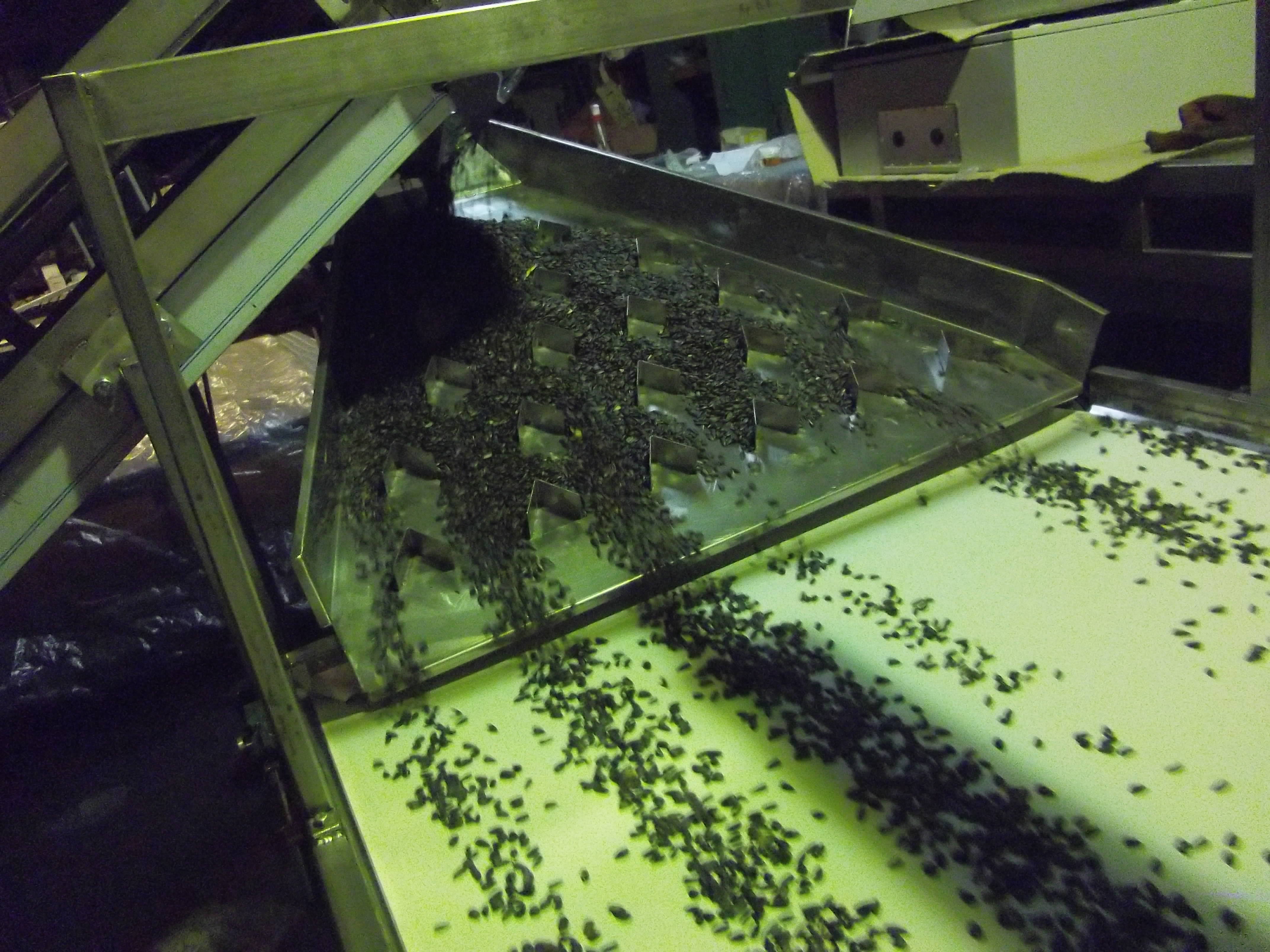
We break down the typical configuration of a sunflower seed processing line: cleaning, grading, washing, drying, roasting and packing.
Read more → How to select a screw conveyor for a bulk product: screw diameter, flight pitch, rotation speed, trough type and throughput.
Read more →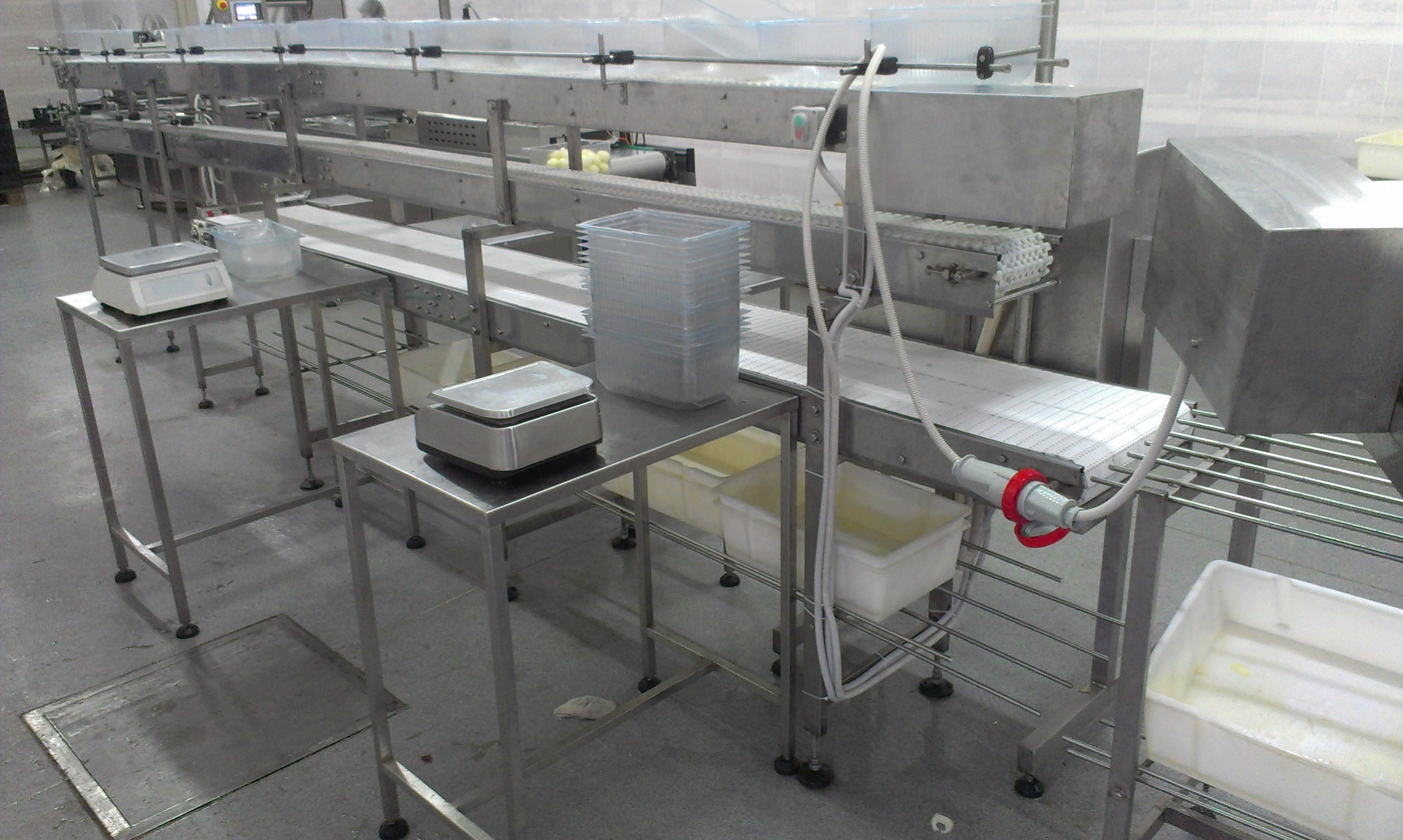
How to design a line for clean-in-place sanitation: radii, slopes, drainage, temperature and solution flow speed. A practical engineering breakdown.
Read more → Where a modular plastic belt outperforms a classic one: washing, cooling, inclines, curves. Materials, pitch and open area explained.
Read more → The seven HACCP principles, critical control points and how the system shapes equipment choice and what to expect at a food plant audit.
Read more →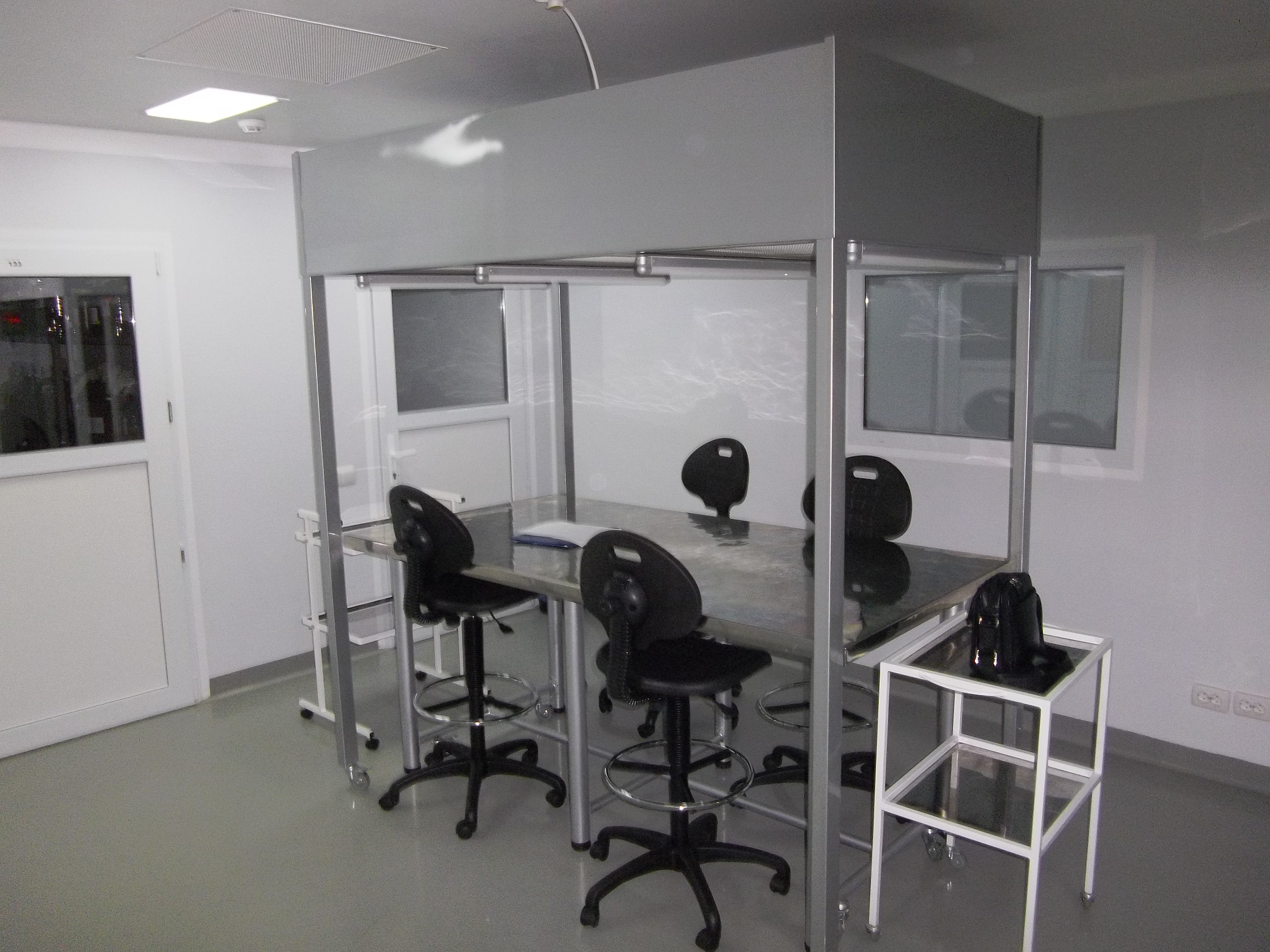
Chemical composition, corrosion resistance and price — a practical comparison of the two most common stainless steel grades for food equipment.
Read more → We compare PVC and polyurethane conveyor belts by temperature, hygiene, cost and service life for food production.
Read more → Segments of a vegetable and fruit washing line: loading, bubbling, rinsing, drying and inspection — how each stage works.
Read more →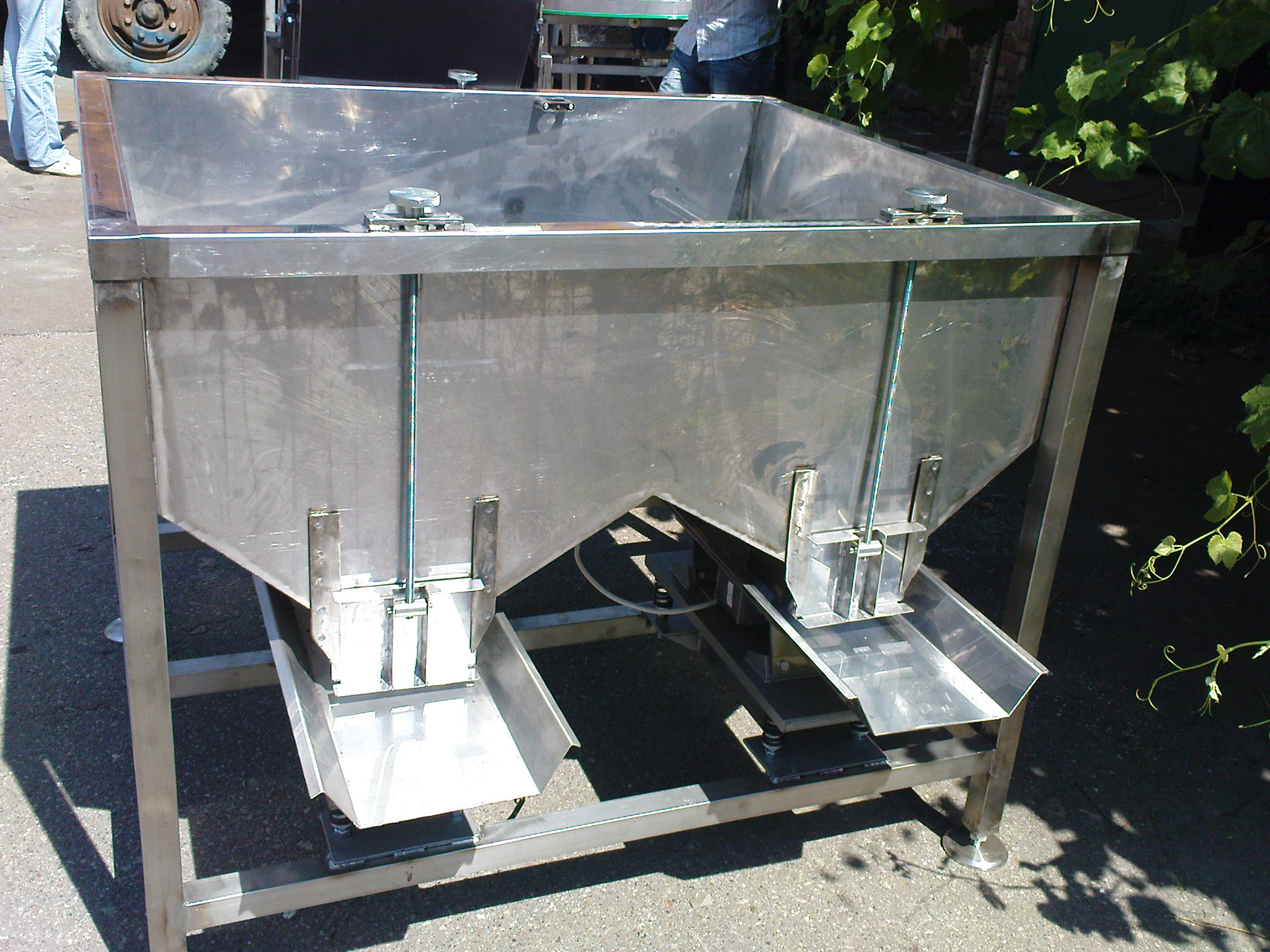
How to correctly calculate the volume of a stationary bunker for bulk or unit loads and choose the wall and outlet design.
Read more → Calculating power, throughput, torque and choosing a gear motor for a conveyor — a step-by-step guide for the engineer.
Read more → Gravity or driven roller conveyor — under which conditions to choose each type and where roller conveyors are used.
Read more → How to choose a conveyor type for boxes, crates and packages — speed, load, dimensions and selection criteria.
Read more → Correct belt tension is the basis of conveyor longevity. A 5-rule checklist for the mechanic on setup and maintenance.
Read more → Drive, drums, rollers, tensioner — we explain how a classic belt conveyor works and what it is made of.
Read more →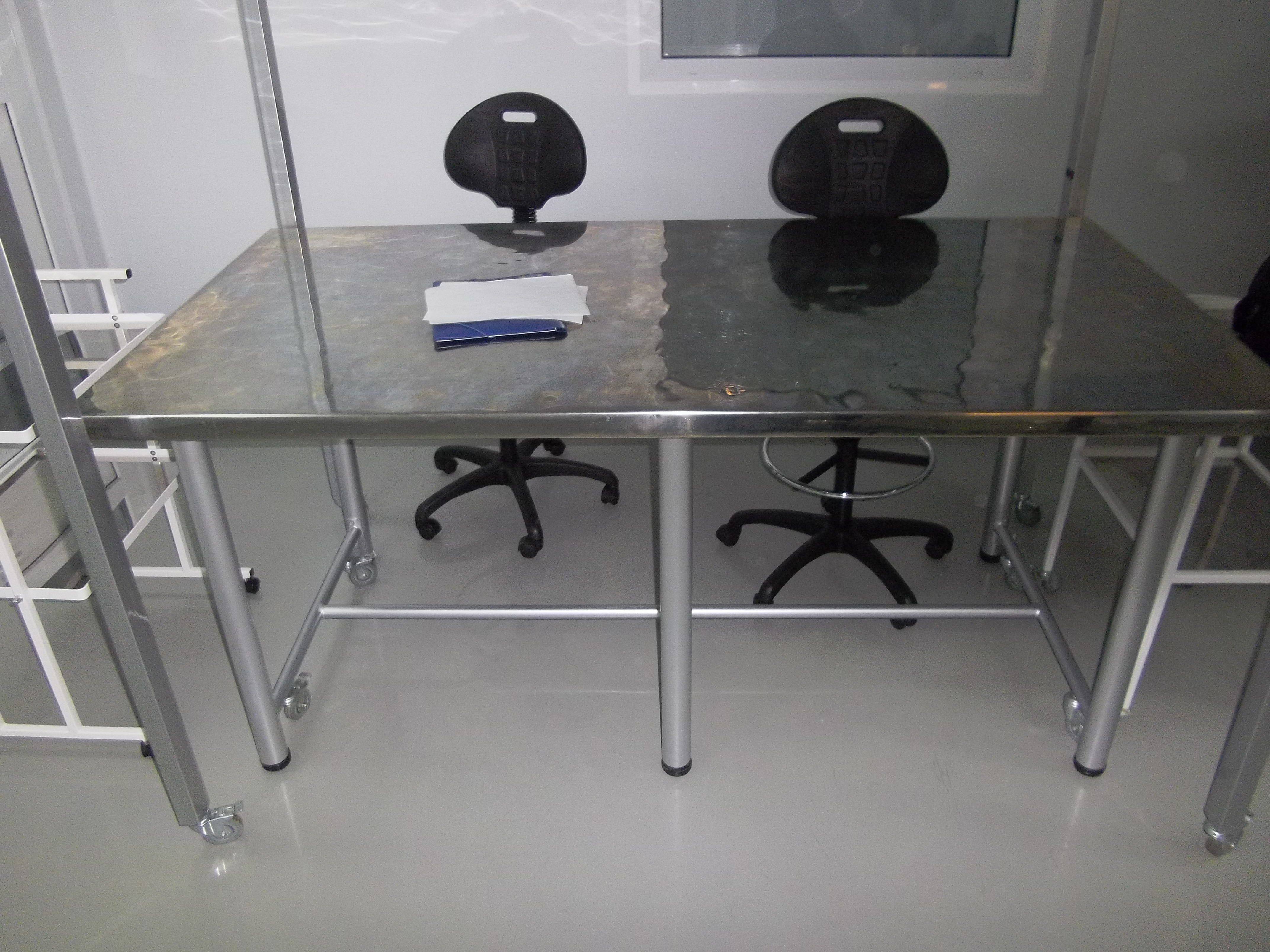
Dimensions, AISI 304 and 316L stainless steel grades and add-on options for a technological table in a food workshop.
Read more → We break down how a belt conveyor works, its key components, system types and where conveyor transport is used in production.
Read more →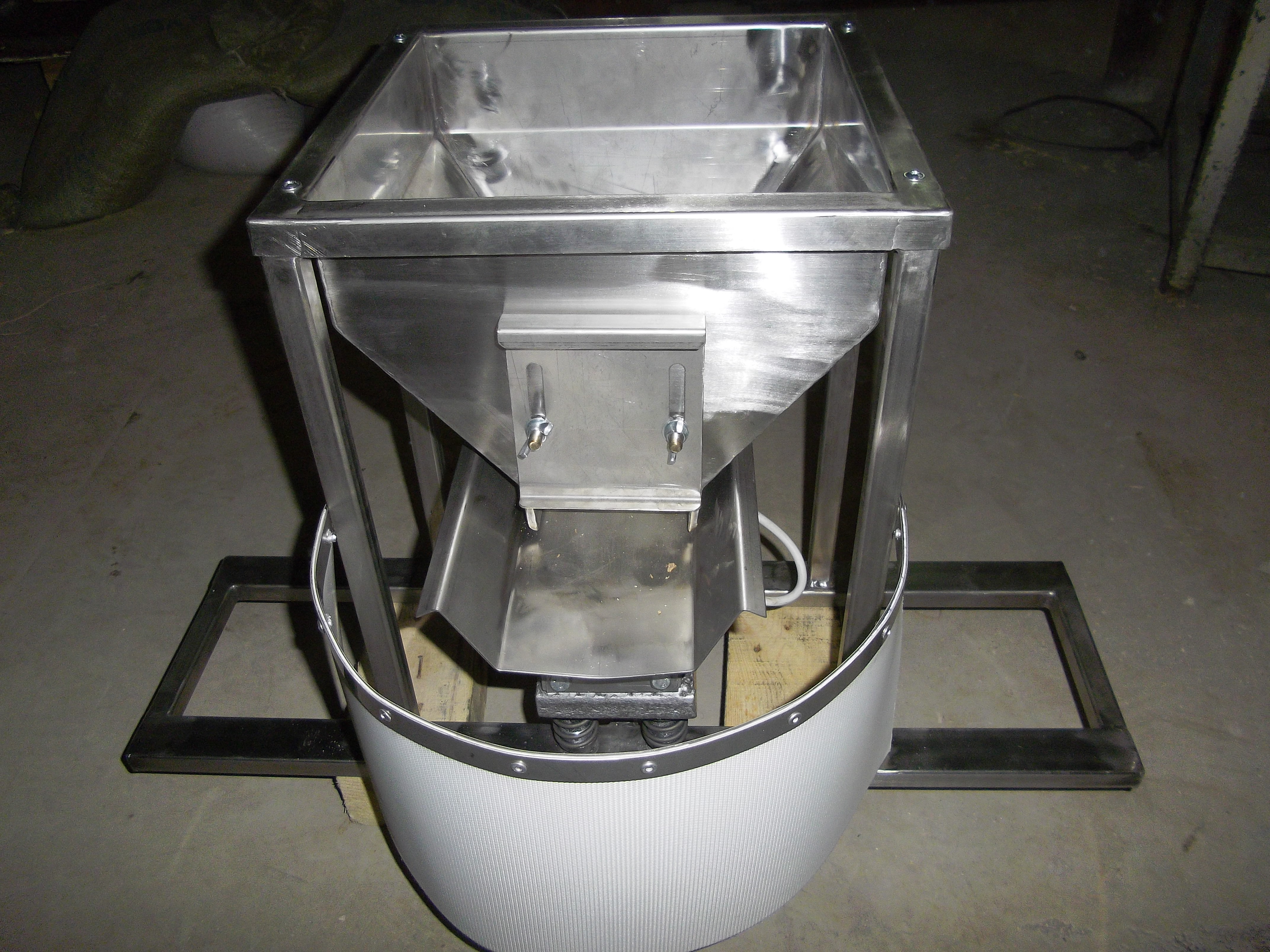
The operating principle of a vibrating chute, throughput adjustment, technical specs and typical bulk product feeding tasks.
Read more →Nothing found — try another query or tags.
Leave a request — we will contact you within an hour during business hours